

Extended international travel can raise significant immigration concerns for lawful permanent residents. While many know a re-entry permit may be required, they often misunderstand when it applies or what protection it provides.
This document can be important, but it does not solve every travel-related immigration risk. Read on as we break down the re-entry permit FAQs for U.S. green card holders so you can be prepared before your flight.
What Is a Re-Entry Permit?
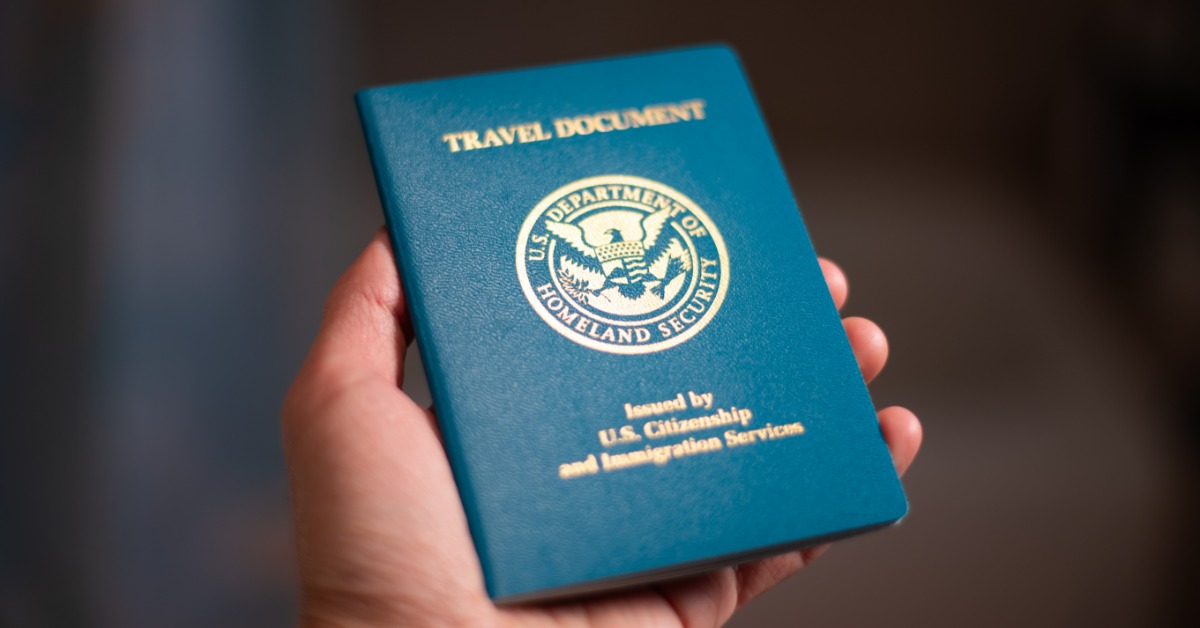
A re-entry permit is a travel document for lawful or conditional permanent residents planning temporary travel abroad. According to USCIS, it allows the holder to apply for admission to the United States during its validity without a returning resident visa. However, it does not grant a new immigration status or eliminate all legal risks associated with travel.
Why Green Card Holders Ask About It
Green card holders often inquire about re-entry permits when work, family, health, or personal obligations require extended stays abroad. USCIS advises anyone planning to be outside the United States for more than one year to apply for a re-entry permit using Form I-131.
Extended travel can raise questions about whether the person truly intends to maintain permanent residence in the United States. A re-entry permit does not remove every concern, but it can become a key document in the travel plan.
Who Usually Needs One?
A re-entry permit is available to green card holders and conditional permanent residents, not to those with pending green card applications. USCIS restricts eligibility to these categories on Form I-131. Travelers with pending adjustment applications should confirm which travel document applies to their situation before departure.

When Should You Apply?
USCIS requires travelers to apply for and obtain the appropriate travel document before leaving the United States. For re-entry permits, applicants must be physically present in the United States for both filing and biometrics. Last-minute travel can cause complications if the process is not started early, and rushed filings may leave residents unprotected.
Why Biometrics Affect Travel Planning
A re-entry permit applicant must complete the biometric services requirement after filing. USCIS schedules that appointment at a local Application Support Center and sends a written notice with the date, time, and location. A person who leaves too early may create problems if they miss that required step. The filing strategy should therefore account for both the application and the biometrics appointment, rather than only the departure date.
Does a Re-Entry Permit Guarantee Admission?
No, a re-entry permit does not guarantee admission into the United States. USCIS explains that travel documents do not guarantee reentry because officers still review the traveler and the case upon the traveler’s return. This point often surprises green card holders who assume the permit works like complete protection against any border issue.
In reality, the document helps support the return trip, but it does not eliminate inspection or every immigration concern. An officer may still consider the purpose of the trip, the length of the absence, the resident’s ties to the United States, and the resident’s overall immigration history.
What Questions Come Up Most Often?
Green card holders often want direct answers to the practical questions that affect travel decisions, filing timing, and reentry risk. A short list can make the basic issues easier to scan before a person speaks with counsel. These points do not replace legal advice, but they do capture the most common re-entry permit concerns:
- Who can apply? Lawful permanent residents and conditional permanent residents can apply for a re-entry permit.
- What form is used? USCIS uses Form I-131 for re-entry permit requests.
- Do you need to be in the United States to file? Yes, USCIS requires physical presence in the United States for filing and biometrics.
- Does it guarantee admission? No, officers still inspect the traveler at reentry.
- When does it become especially important? It often becomes important when traveling abroad may last longer than one year.
These questions usually lead to a bigger one: whether a permit solves every risk posed by time abroad. The answer is no because the travel document is part of a larger immigration picture. That broader analysis is where legal counsel often becomes most valuable.

Can You Travel While the Application Is Pending?
This question comes up often because some green card holders need to leave before USCIS finishes processing the case. However, USCIS typically requires the person to file while physically present in the United States and to complete biometrics there. A resident should not assume a pending filing alone fixes every travel concern.
Travelers should make those decisions with counsel rather than relying on a general rule taken out of context. High-stakes travel should always rest on the person’s facts, not on a simplified assumption.
What Happens if the Trip Lasts Too Long?
USCIS directly addresses the situation where a permanent resident plans to remain outside the United States for more than one year. The agency says it is advisable to first apply for a re-entry permit in that circumstance, as extended travel may affect the resident’s ability to return without seeking a returning resident visa. Longer travel deserves legal planning before departure, not damage control.
The same concern applies when a green card holder underestimates how the government may view a long absence. A person may believe the trip remains temporary, while the record may begin to suggest something different if the absence stretches and U.S. ties weaken. A re-entry permit can help address part of that issue, but it does not erase the need to show an ongoing connection to permanent residence in the United States.
When Should You Speak With an Attorney?
You should speak with an attorney before filing if the trip will be lengthy, urgent, or connected to any complication in your immigration history. Travel questions can become more serious when they overlap with prior extended absences, document problems, or uncertainty about how long the person will remain abroad.
These re-entry permit FAQs for U.S. green card holders can help you be better informed, but they do not give individualized legal advice about how it may affect a specific resident. That gap is exactly where counsel can protect the case.
Need the guidance of an immigration lawyer in Lafayette, Louisiana, before extended travel abroad? Gahagan Law Firm understands how easily international travel can create serious immigration concerns when the right steps are not taken in advance. Our team can review your situation, explain the issues tied to re-entry permits and travel timing, and help you move forward with clear, informed guidance. Contact Gahagan Law Firm today to discuss your case.