

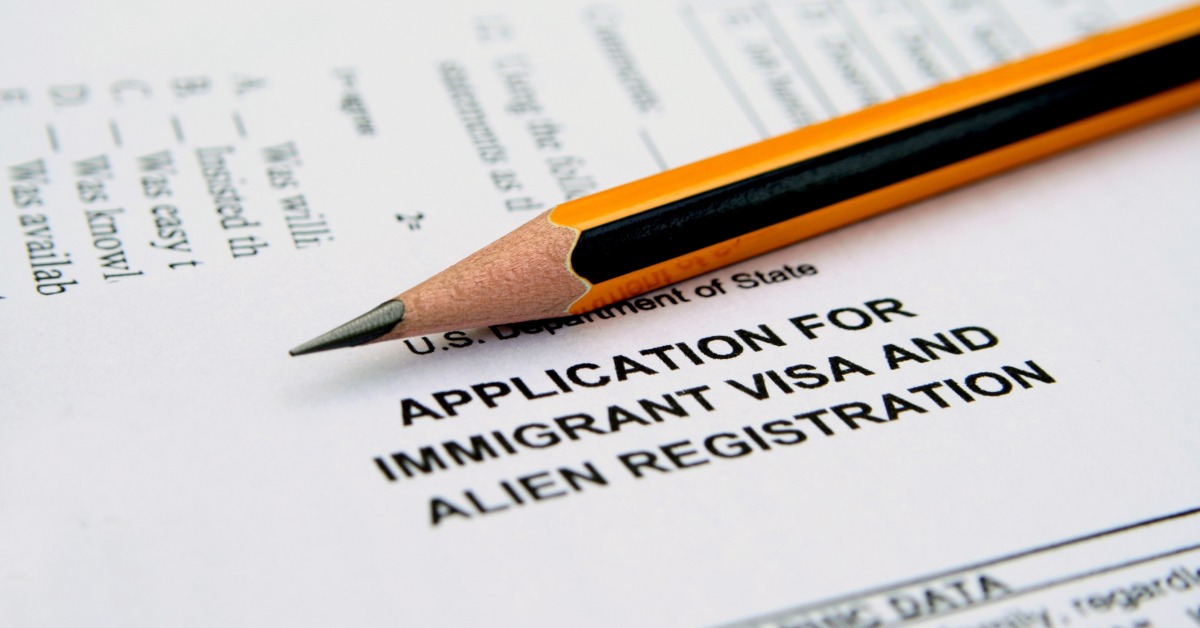
An immigrant visa denial can leave you and your family feeling uncertain about what comes next. After spending months or even years gathering documents, receiving a refusal at the interview stage can be especially frustrating.
The good news is that a visa refusal often stems from a specific legal issue or another identifiable concern. Many applicants wonder why their immigrant visa is denied. Here are the top eight reasons for denial and the steps you can take after it.
Understand What an Immigrant Visa Denial Means
Before you assume the worst, it is important to understand what a visa denial actually means. Not every refusal represents a permanent rejection. In some situations, the consular officer may need additional documents before making a final decision. In others, the case may enter administrative processing while the government conducts further review.
However, some refusals involve legal grounds of inadmissibility that require a more complex response. Because there are different types of refusals, you should carefully review any notice issued by the embassy or consulate. The specific reason listed in that notice will often determine your available options.
Missing or Incomplete Documents
One of the most common reasons for an immigrant visa refusal involves missing or incomplete documentation. Throughout the immigrant visa process, you may need to provide civil records, medical examination results, and other supporting evidence.
If any required document is missing or incomplete, the consular officer may refuse the application until you provide the necessary information. Although this type of refusal can delay your case, it does not necessarily mean you are ineligible for the visa.
Administrative Processing
Administrative processing occurs when the government needs additional time to review a case before making a final decision. During this period, the visa application may appear as refused even though the government has not issued a final denial.
Naturally, this situation can create anxiety because applicants often receive limited information about how long the process will take. If your case is placed in administrative processing, follow the consulate’s instructions carefully. Avoid submitting unsolicited documents unless specifically requested. Instead, focus on responding promptly to any requests for additional information.

Public Charge Concerns
Financial eligibility plays an important role in many family-based immigrant visa cases. The government may review whether the applicant is likely to become dependent on public assistance after entering the United States. To address this concern, sponsors typically submit financial support documents demonstrating their ability to support the intending immigrant. If the officer determines that the financial evidence is insufficient, the application may be delayed or even refused.
Support Documents Must Match the Case
Financial support documentation should accurately reflect the sponsor’s circumstances. You should ensure that tax returns, income records, and affidavit of support forms are complete and consistent. If a joint sponsor participates in the case, the documentation should clearly explain that person’s role and financial qualifications. Strong financial evidence can help reduce questions during the visa review process.
Unlawful Presence or Prior Immigration Violations
Your immigration history can significantly affect your eligibility for an immigrant visa. For example, individuals who previously remained in the United States without authorization may trigger a three-year or a ten-year bar after departing the country.
Many applicants are surprised when past immigration issues become central topics during the visa interview. However, consular officers routinely review immigration records during the adjudication process. If you have concerns about prior immigration violations, seek legal guidance before the interview whenever possible.
Fraud or Misrepresentation
Fraud and willful misrepresentation can lead to some of the most serious immigrant visa refusals. These findings may arise from false statements on prior visa applications or from documents containing misleading information. Even issues that occurred years ago can affect a current immigrant visa application if the government determines that the misrepresentation was material.
Because the consequences can be severe, honesty remains critical throughout the immigration process. If you know a prior application contained errors or inconsistencies, address them proactively.
Criminal History
Certain criminal offenses can make an applicant inadmissible under U.S. immigration law. The immigration consequences depend on several factors, including the nature of the offense and the specific immigration laws involved. As a result, two individuals with seemingly similar criminal records may face very different outcomes.
Consular officers frequently request certified court records before making a final determination. Missing records can delay the process, while certain convictions may create additional legal barriers.
Court Records Need Careful Review
When discussing criminal history, do not rely solely on memory. Instead, obtain complete court records, including dispositions and sentencing information. Immigration law often evaluates criminal conduct differently than criminal courts do. Therefore, a thorough legal review can help determine whether a conviction creates inadmissibility concerns or whether relief may be available.
Medical or Vaccination Issues
Every immigrant visa applicant must complete a medical examination with an approved physician. During that examination, the physician evaluates whether any health-related grounds of inadmissibility apply. Missing vaccination records or unresolved health concerns can affect the visa process. Fortunately, medical issues do not automatically result in permanent denial. In many situations, applicants can provide additional records to satisfy follow-up requirements. Following the physician’s instructions carefully can help prevent unnecessary complications.
Relationship or Petition Concerns
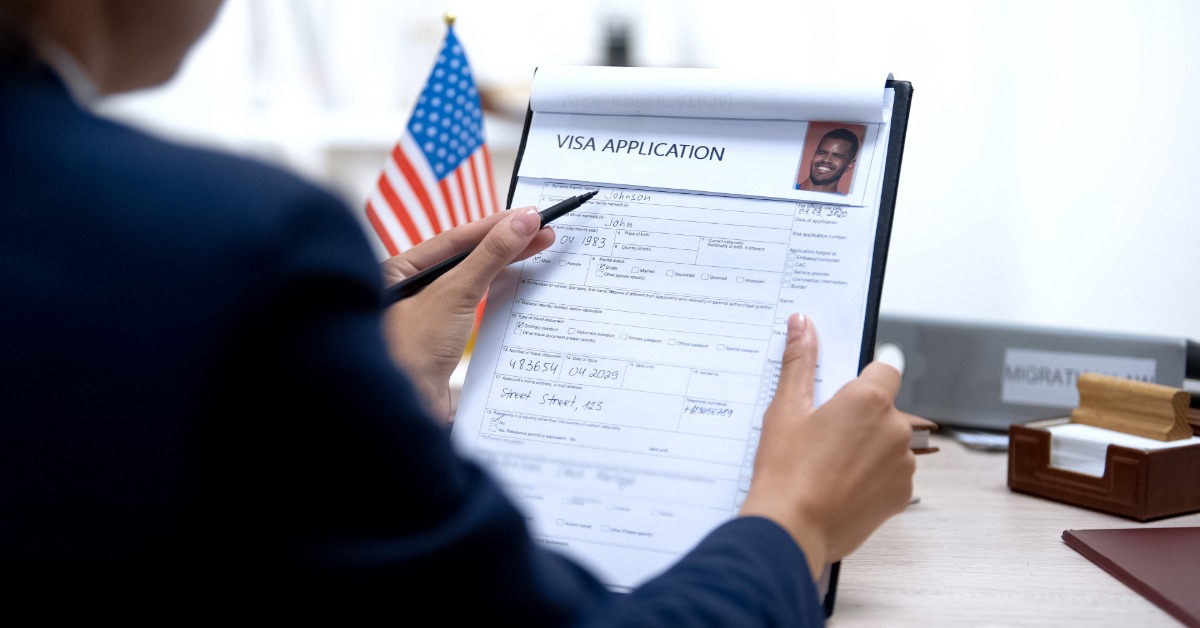
Family-based immigrant visas require proof of a qualifying relationship. As a result, consular officers often review relationship evidence closely. Marriage-based cases may face additional scrutiny if the officer questions the genuineness of the marriage. Likewise, parent-child and sibling petitions may encounter problems when the supporting documents fail to clearly establish the claimed relationship.
Although these concerns can feel personal, officers must verify that the relationship satisfies the legal requirements for the visa category. Providing consistent, truthful evidence can strengthen your case. If questions arise, legal guidance may help you determine the most effective response.
What To Do After an Immigrant Visa Denial
If you receive a refusal notice, start by reading it carefully. The notice may identify a specific section of immigration law, or explain that the case remains under administrative processing. Understanding the exact reason for the refusal will help you determine the appropriate next step.
Keep copies of every communication you receive from the embassy or consulate. Those records may become important if you need legal assistance later. Depending on the circumstances, you may need to submit missing documents or seek legal review of the decision.
Know the Reason Before You Respond
While searching for why your immigrant visa was denied can help you understand the top eight common reasons of refusal, every immigration case involves unique facts. The reason behind the denial will ultimately determine what options remain available. If your case involves a serious legal issue, speak with an immigration attorney before submitting additional information or assuming that the refusal cannot be overcome.
Gahagan Law Firm is here to assist when an immigrant visa denial leaves your family unsure of what went wrong. Led by Michael Gahagan, an experienced family immigration attorney, our firm can review the refusal notice and explain the next steps. We provide clear, careful guidance for families facing stressful immigration setbacks. Contact us today to discuss your case.