

For parents living apart from their children, immigration paperwork carries consequences far beyond a government filing. The correct family-based category can determine how a child reaches the United States and how long the family waits for permanent residence.
Families seeking guidance on child immigration through family-based visas must first understand how U.S. immigration law defines a child. The petitioner’s immigration status also changes the process. A case filed by a U.S. citizen does not always follow the same path as one filed by a lawful permanent resident.
Determine Whether the Child Has U.S. Citizenship
Before starting an immigrant visa petition, a parent should determine whether the child already acquired U.S. citizenship.
A child born outside the United States can acquire citizenship at birth through a U.S. citizen parent when the statutory requirements are satisfied. Those requirements depend in part on the parent’s citizenship history and physical presence in the United States before the child’s birth.
Citizenship can also arise after birth. Under current law, certain children under age 18 automatically acquire citizenship when they become lawful permanent residents and reside in the United States in the legal and physical custody of a U.S. citizen parent.
A child who is already a U.S. citizen generally does not need an immigrant visa. The family may instead need documentation of citizenship, such as a U.S. passport or Certificate of Citizenship.
Understand Who Qualifies as a Child for Immigration Purposes
Immigration law uses the word “child” more narrowly than everyday conversation does. For many family-based categories, a child must remain unmarried and under 21.
Once a person turns 21, immigration law generally refers to that person as a son or daughter rather than a child. That change can place the beneficiary in a different family preference category. It can also create a significantly different waiting period.
Marriage also changes eligibility. A lawful permanent resident can petition for an unmarried child or unmarried adult son or daughter. Still, there is no family preference category for a permanent resident’s married son or daughter.
U.S. citizens have broader petitioning options. A citizen can petition for an unmarried child under 21. Citizens can also petition for adult sons and daughters, including those who are married, through separate family preference categories.

Children of U.S. Citizens Can Qualify as Immediate Relatives
An unmarried child under 21 of a U.S. citizen generally qualifies as an immediate relative. Unlike the family preference categories, immediate relative visas are not subject to an annual numerical limit.
The U.S. citizen parent generally begins by filing Form I-130, Petition for Alien Relative. USCIS uses the petition to determine whether the qualifying parent-child relationship exists.
Each immediate relative child generally needs a separate petition. This rule matters most when a U.S. citizen files for a spouse who also has children.
Naturalization Can Change an Existing Family Case
A lawful permanent resident sometimes becomes a U.S. citizen while a family-based petition remains pending. Naturalization can change the classification of qualifying relatives.
An unmarried child under 21 can move from a family preference classification to the immediate relative category when they satisfy the requirements. This change can eliminate the wait for a family preference visa number.
However, families should review petitions that originally included children as derivatives. Once a spouse’s case converts to the immediate relative category, the children cannot continue as derivatives of that spouse. The new U.S. citizen generally needs separate petitions for each qualifying child.
Children of Permanent Residents Follow the F2A Process
A lawful permanent resident can petition for an unmarried child under 21 through the F2A family preference category.
Unlike immediate relative visas, Congress limits the number of family preference immigrant visas available each year. Visa availability therefore affects the timeline.
Filing Form I-130 establishes a priority date, which helps determine when the beneficiary can proceed once a visa number becomes available. Families should monitor the Department of State Visa Bulletin throughout the case rather than assume that petition approval allows immediate immigration.
The F2A category also differs from the immediate relative process in another important way. Certain qualifying children can receive derivative benefits through a principal beneficiary in a family preference case.
If the petitioner later naturalizes, the family’s petition structure should receive another legal review because immediate relative petitions do not allow derivative children in the same way.
Stepchildren and Adopted Children Require Additional Analysis
A biological parent-child relationship is not the only relationship that can support a family immigration petition. Immigration law also recognizes qualifying stepchild and adoptive relationships, but specific requirements apply.
For a stepchild relationship, the marriage that created the relationship generally must have occurred before the child’s 18th birthday. A later marriage does not create the required stepchild relationship for an I-130 petition simply because the family considers the stepparent a parent.
Adoption cases have their own legal requirements. Under the family-based I-130 process, the adoption generally must occur before the child’s 16th birthday. A limited sibling exception can extend the age to 18 in certain cases.
Prepare Evidence That Establishes the Family Relationship
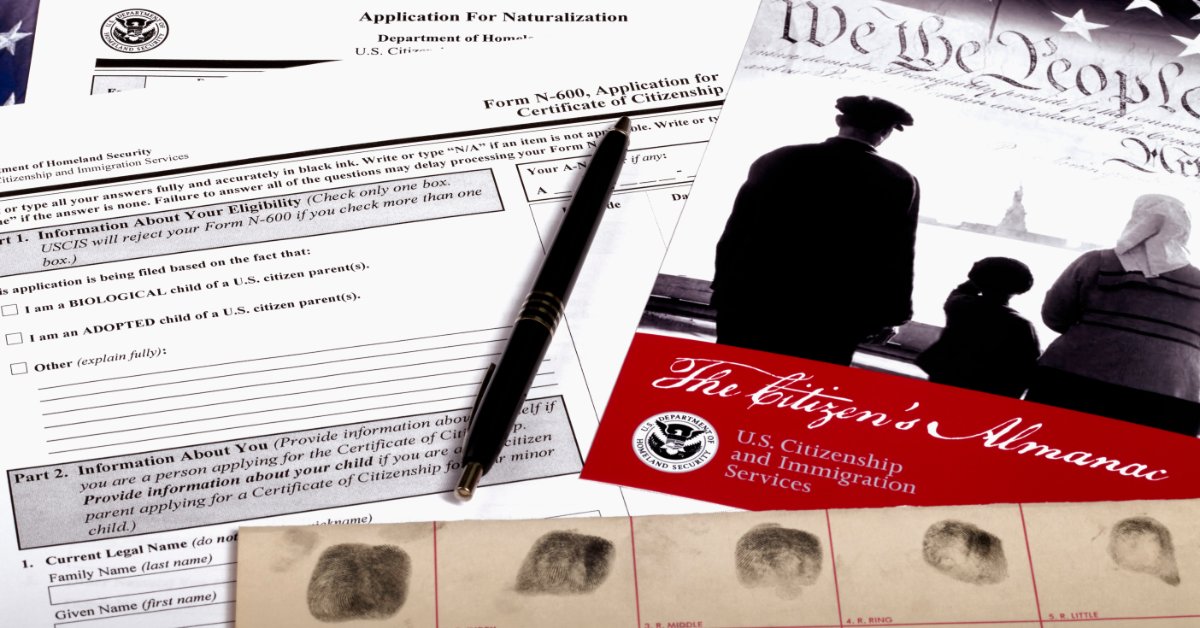
USCIS will not approve an I-130 petition simply because a petitioner states that the beneficiary is their child. The petitioner must prove the qualifying relationship with appropriate documentation.
Depending on the circumstances, a family should prepare records such as:
- The child’s birth certificate
- Proof of the petitioner’s U.S. citizenship or permanent residence
- Marriage records relevant to a stepchild relationship
- Divorce decrees involving prior marriages
- Adoption decrees when the petition relies on adoption
- Evidence of legal custody when required
- Records showing the required period of residence with an adoptive parent
A discrepancy does not automatically end a case, but families should address significant inconsistencies before USCIS raises questions about the relationship.
Know What Happens After Form I-130 Is Approved
Form I-130 approval confirms the qualifying family relationship. It does not automatically give the child permanent residence. What happens next depends largely on where the child lives. A child living abroad generally completes immigrant visa processing through the Department of State. After USCIS approves the petition and a visa is available, the National Visa Center handles the next stage before the case reaches a U.S. embassy or consulate.
Families should choose the correct path from the beginning. Changing between adjustment of status and consular processing can add procedural complications when USCIS or the Department of State does not have the case in the expected location.
Plan the Child’s Path to Permanent Residence Carefully
Child immigration through family-based visas can appear straightforward because the relationship itself feels obvious. However, immigration law looks beyond the family’s emotional reality and applies specific definitions to that relationship.
The parent’s status can alter the visa category. The child’s age can also change the available path while a case remains pending. When an immigrant petition is necessary, the family must then determine whether consular processing or adjustment of status provides the appropriate route.
In need of a trustworthy and attentive family visa lawyer? Gahagan Law Firm assists families navigating petitions for children and other family-based immigration matters. Our firm can review the relationship that supports the case and determine how current immigration law applies before the family moves forward.
If you want to bring your child to the United States or have concerns about an existing family petition, contact Gahagan Law Firm today so we can discuss your case.