
Helping a parent become a lawful permanent resident can reunite a family in the United States, but the process involves more than proving a biological relationship.
For U.S. citizens considering sponsoring your parents for green cards, what to expect depends largely on where each parent currently lives. A parent living abroad generally completes immigrant visa processing through a U.S. embassy or consulate. A parent already in the United States, on the other hand, can pursue adjustment of status.
Only Certain U.S. Citizens Can Sponsor a Parent
To petition for a parent as an immediate relative, a person must be a U.S. citizen and at least 21 years old. Lawful permanent residents cannot petition for their parents.
This creates an important planning issue for green card holders who want to bring a mother or father to the United States. They generally must naturalize before they can file a parent petition.
Once the petitioner qualifies, the parent falls within an immediate relative category. Federal law does not impose an annual numerical limit on immigrant visas for parents of U.S. citizens.
Each Parent Needs a Separate Petition
A U.S. citizen who wants to sponsor both parents generally files a separate Form I-130 for each person. One parent’s petition does not give the other parent derivative immigration benefits.
Immediate relative petitions work differently from some family preference cases that allow certain relatives to immigrate through a principal beneficiary. Families should therefore plan for two separate immigration cases when both parents seek permanent residence.
Proving the Parent-Child Relationship Comes First
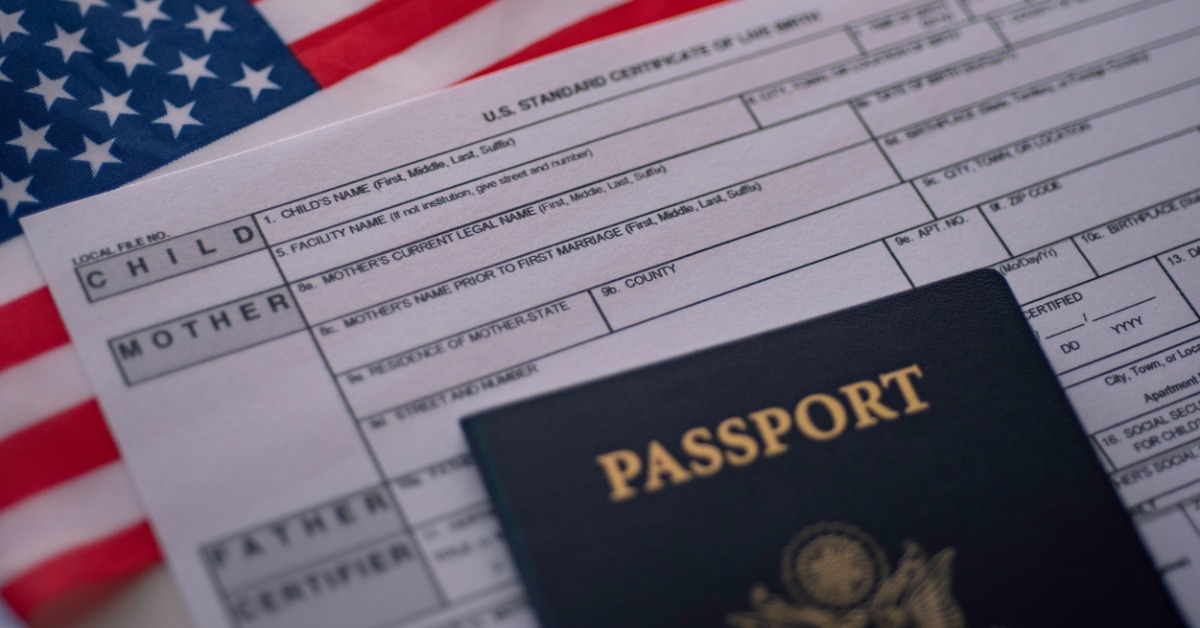
Form I-130 establishes that a qualifying relationship exists between the U.S. citizen petitioner and the parent. USCIS requires evidence that supports that relationship.
A birth certificate often provides the primary proof in a biological-parent case. Additional evidence becomes necessary when the family relationship involves a stepparent or adoption.
Documentation commonly used in a parent petition can include:
- The petitioner’s birth certificate
- Proof of the petitioner’s U.S. citizenship
- A parent’s marriage certificate when relevant
- Records terminating prior marriages when required
- Adoption decrees in qualifying adoption cases
- Evidence addressing legal custody or residence
- Certified translations for foreign-language documents
Names and dates should remain consistent throughout the filing. A discrepancy does not automatically destroy eligibility, but unexplained differences can lead USCIS to request additional evidence.

Parents Living Abroad Usually Complete Consular Processing
When a parent lives outside the United States, the case generally begins with Form I-130. USCIS reviews the petition, then transfers an approved case to the Department of State’s National Visa Center. NVC then opens an immigrant visa case. The parent and petitioner complete the required processing through the Consular Electronic Application Center.
Once NVC considers the file documentarily complete, the case enters the queue for an immigrant visa interview at the appropriate U.S. embassy or consulate. Interview availability often differs significantly by post.
The Medical Examination Comes Before the Interview
An intending immigrant must complete a required medical examination with an authorized panel physician before the visa is issued. The examination addresses the health-related grounds of inadmissibility established under immigration law. The physician also reviews vaccination requirements.
After the interview, the consular officer determines whether the parent qualifies for the immigrant visa. A parent who receives the visa and enters the United States then becomes a lawful permanent resident upon admission.
Parents Already in the United States Follow a Different Route
A parent physically present in the United States can apply for adjustment of status when the applicable legal requirements are met. Because parents of U.S. citizens qualify as immediate relatives, they are eligible for an immigrant visa immediately. An eligible parent can therefore file Form I-485 at the same time the U.S. citizen files Form I-130.
However, physical presence in the United States does not automatically establish eligibility for adjustment. How the parent entered the country can become crucial.
Under standard adjustment rules, an applicant generally must have been inspected and admitted or paroled into the United States. A parent who entered without inspection can face a substantially different legal problem.
Financial Sponsorship Creates a Long-Term Obligation
A U.S. citizen petitioning for a parent generally must complete Form I-864, Affidavit of Support. Form I-864 creates a legally enforceable financial sponsorship obligation. The sponsor generally needs household income of at least 125% of the applicable Federal Poverty Guidelines, and the required amount depends on household size.
When the petitioner’s income falls below the required level, qualifying assets can become relevant. Certain household members can contribute income under the applicable rules. A separate joint sponsor can also qualify when that person independently satisfies the sponsorship requirements.
Immigration History Can Affect an Otherwise Valid Parent Petition
An approved family relationship does not guarantee permanent residence. Form I-130 establishes the qualifying relationship. The green card stage separately asks whether the parent is admissible to the United States.
Past immigration conduct can therefore become important even when the petitioner clearly qualifies to sponsor the parent. This is one reason families should review the parent’s entire immigration history before deciding whether adjustment or consular processing is the right path.
Immediate Relative Status Does Not Eliminate Processing Time
Parents of U.S. citizens do not wait for a visa number to become available. That advantage separates the IR-5 category from numerically limited family preference categories. Keep in mind, however, that government processing still takes time.
Waits vary considerably between diplomatic posts. A parent processing through one country can therefore experience a different overall timeline from a parent processing elsewhere. Families should treat processing estimates as planning tools, not guaranteed deadlines.
Prepare for What Happens After Permanent Residence Is Approved
A parent who enters the United States with an IR-5 immigrant visa becomes a lawful permanent resident at admission. Meanwhile, a parent who adjusts status inside the country becomes a permanent resident when USCIS approves Form I-485.
However, international travel still requires care, particularly when a permanent resident plans to spend extended periods outside the United States. Long absences can raise questions about whether the person continues to treat the United States as a permanent home.
Permanent residence can eventually lead to naturalization when the parent satisfies the applicable citizenship requirements. However, the green card itself remains a separate status with its own rules.
Plan the Parent Green Card Process Before Filing
When sponsoring your parents for green cards, the expectations become clearer once you identify the correct immigration route and review the facts that could affect eligibility. A petition that looks straightforward on paper can become more complicated when the parent has prior immigration issues or cannot use the standard adjustment process.
Searching for a family immigration lawyer in New Orleans? Gahagan Law Firm is here to assist you. Our firm can review how the parent entered the United States, determine which green card process applies, and address any legal concerns you may have.
If you are ready to pursue the permanent residence process for a parent, contact Gahagan Law Firm so we can discuss your case.