

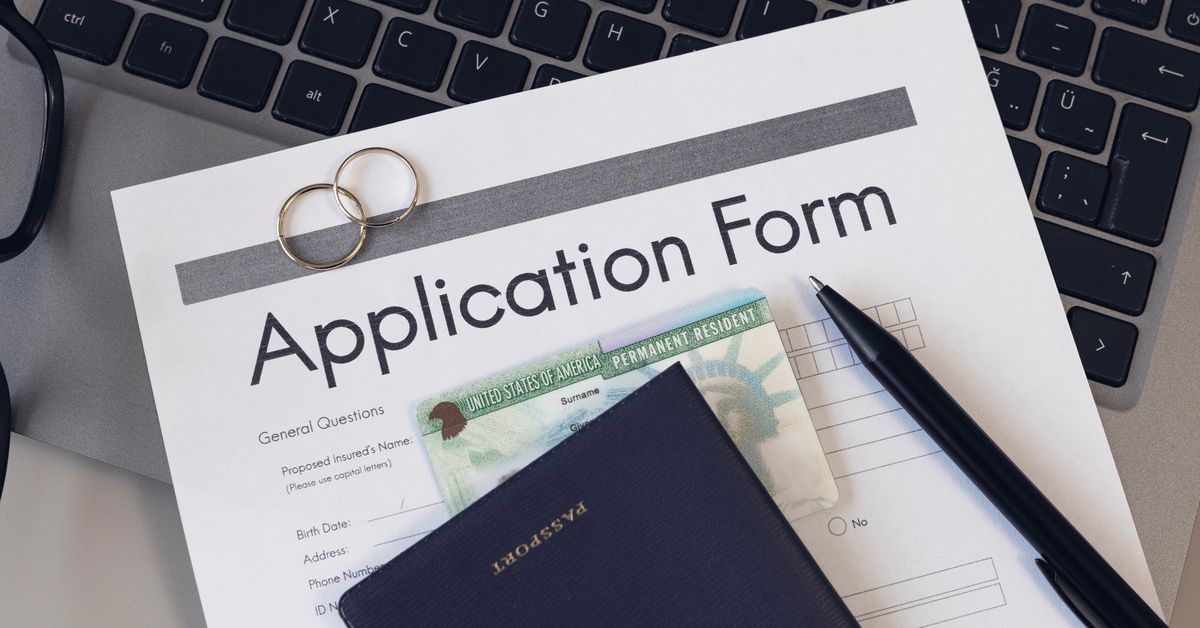
Marriage-based green card cases are built on forms, deadlines, and evidence that must match your real-life story. When USCIS updates filing rules or tightens document standards, even strong applications can face delays if they are not prepared with those changes in mind. Read on as we discuss the new USCIS updates for marriage green cards in 2026, including several policy shifts that continue to shape filings this year.
Medical Exam Rules Are Less Flexible
USCIS has made the medical exam a front-end filing requirement for many adjustment-of-status applicants. That shift changes timing, budgeting, and document planning for couples filing a marriage-based green card from inside the United States.
Form I-693 Must Be Submitted With Form I-485
USCIS states that, effective December 2024, certain applicants filing Form I-485 must submit Form I-693 with the I-485, or the I-485 may be rejected. In a marriage-based case, that can be a major operational change because it moves the medical exam from a later-stage request to an upfront requirement.
The “Indefinite Validity” Approach Was Rolled Back
USCIS previously announced that, as of April 2024, certain properly completed I-693s signed on or after November 2023 were considered valid indefinitely for future benefit requests.
However, USCIS later issued additional guidance explaining that the earlier approach was overly broad and that the agency was limiting the validity period to the specific immigration application or request. In practical terms, couples should not assume a prior medical will always carry forward into a new filing without issue.
Why This Update Changes Filing Strategy
When the medical exam must be included at filing, timing becomes more sensitive. If you schedule the exam too early and then delay filing, you risk complications. If you file too quickly without the exam, you risk rejection. Because medical timing can be case-specific, especially if prior filings or prior exams are involved, this is an area where individualized legal counsel can help you avoid an expensive reset.
Filing Fees and Payment Rules
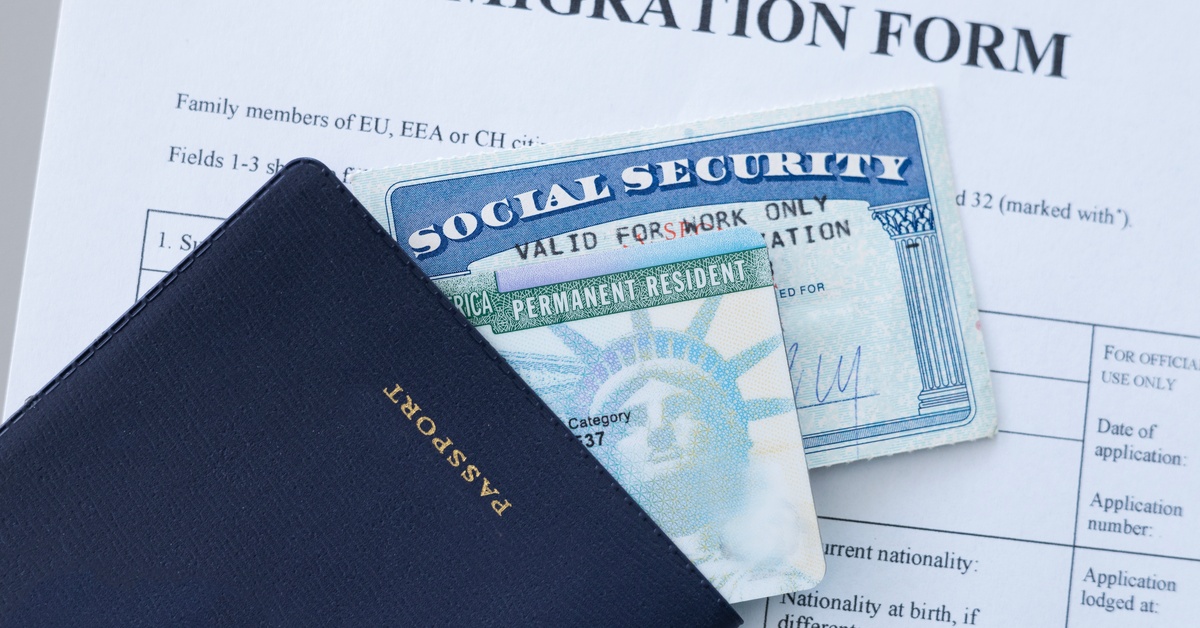
USCIS rejects cases for basic filing errors, and incorrect fees remain one of the most common preventable problems. Even when a marriage is real and the forms are otherwise strong, the wrong payment method or an incorrect total can prevent the case from being accepted.
Correct Fees at Filing
USCIS states that many forms require a filing fee and that if you do not submit the correct fee, the agency will reject your form. That language matters because a rejection is not the same as a denial. A rejection can still cost time, disrupt work authorization timing, and create unnecessary stress, especially when an applicant is trying to maintain a lawful posture.
The 2024 Fee Rule Structure
USCIS’s 2024 final fee rule separated certain fees that were previously bundled for adjustment applicants. In that rule summary, USCIS notes that fees for Forms I-765 and I-131 will not be bundled or fee-exempt when filing for adjustment after April 2024, and it lists reduced pricing for some concurrent filings.
USCIS Tools
USCIS offers a fee calculator designed to reduce rejections caused by incorrect filing fees. USCIS also posts a fee schedule and publishes form updates that can affect how payments are prepared, including updates to payment-related forms such as the credit card authorization form.
Form Editions and Instructions Are Changing
Marriage green card filings often include multiple forms, and each form has an edition date that USCIS uses to decide what it will accept. If you submit an older edition after USCIS changes acceptance rules, the filing can be rejected even if the content is correct.
USCIS Publishes Form Edition
USCIS maintains a “Forms Updates” page showing recent edition changes and cutover dates, including warnings that older editions will be rejected after a certain date. While not every update directly affects marriage green card filings, the pattern matters. The more forms included in a packet, the greater the chance that a single outdated edition will derail intake.
The I-130 and I-485 Pages
The USCIS’s I-130 page explains that filing or approval of the petition does not give the relative any immigration status or benefit and includes specific instructions that can affect how the form is completed. USCIS’s I-485 page provides form details, including edition information and where-to-file guidance.

More Screening in Family-Based Cases
USCIS has issued policy guidance stating it is enhancing its capability to screen and vet family-based immigrant visa petitions and that the update covers requirements and adjudication, including eligibility, filing, interviews, and decisions. Couples and families should understand what this means at a practical level, as it can shape the evidence requested and how interviews are handled.
USCIS Is Framing Family-Based Review Around Vetting
When USCIS publicly describes guidance as enhancing screening and vetting, it signals that officers are being directed to evaluate petitions with a more structured fraud and eligibility lens. For legitimate couples, the takeaway is not to panic. The takeaway is to treat evidence and consistency as core parts of the filing, not afterthoughts.
Evidence Needs to Tell One Consistent Story
Marriage cases are often approved when the relationship evidence is credible, organized, and consistent with the forms. If addresses, dates, and employment timelines conflict across documents, the file can become harder to adjudicate quickly. A well-prepared packet anticipates the officer’s need to verify, not just your desire to explain.
Interviews May Feel More Detailed
USCIS’s own guidance references interviews as part of the adjudication of family-based petitions. Even when an interview is routine, couples benefit from reviewing what they filed and aligning on core facts. If a case has prior immigration history, prior marriages, or gaps in shared documentation, it is especially important to speak with counsel before the interview rather than trying to “figure it out” in the waiting room.
USCIS Alerts and Form Updates
USCIS maintains a newsroom and an alerts section where it posts policy and procedure updates. For marriage green card applications, these updates can affect medical exam scheduling, form acceptance, and other filing procedures. Keep this tool in mind, and check it periodically. Couples and family members who track official updates are less likely to be surprised by a rejection that stems from a new requirement.
Staying Ready as USCIS Rules Shift
The system is shaped by a series of updates that change how you prepare, file, and prove eligibility. These new USCIS updates for marriage green cards in 2026 can help you understand the direction of the process. However, because every case turns on facts, the most responsible next step is to consult qualified immigration counsel for advice tailored to your situation.
Searching for a family immigration attorney? Gahagan Law Firm is ready to assist. We help couples prepare strong marriage green card filings that account for USCIS rule changes, including updated medical exam requirements, filing fee structures, and stricter form intake standards. If you want clear guidance and careful preparation from start to finish, we are here to help.