

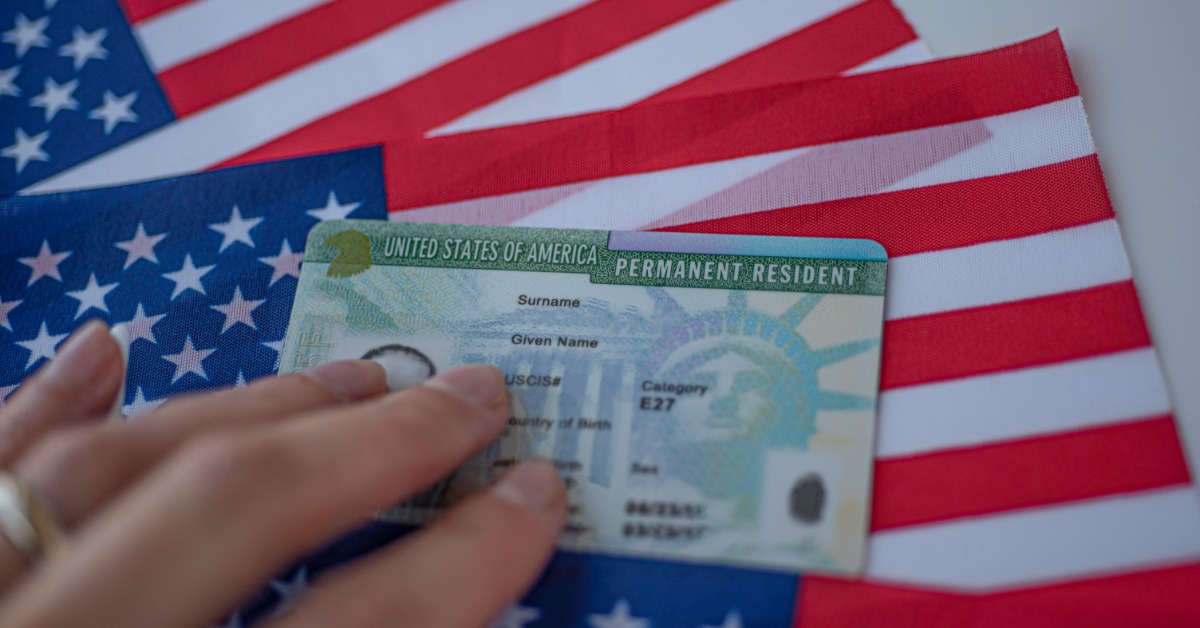
Many workers seek clarity on the H-1B-to-green card process because temporary work status does not always align with long-term plans. Some H-1B holders pursue employer sponsorship, while others may qualify through family sponsorship or another immigration category.
An H-1B visa does not automatically convert into a green card. A person must qualify under a separate immigrant category, and that category controls the process. Because each route has different rules, H-1B holders should seek legal guidance before deciding which option best fits their case. Here is a step-by-step guide to the different options that may fit your pathway to permanent residence.
The Employment-Based Sponsorship Route
Many H-1B holders pursue permanent residence through an employer-sponsored case. This route often involves a permanent job offer, a qualifying employment-based category, and an immigrant petition through Form I-140. In many cases, the employer must also complete the PERM labor certification process through the Department of Labor before USCIS reviews the immigrant petition. Permanent labor certification often allows an employer to hire a foreign worker permanently in the United States.
EB-2 and EB-3 Cases
Two common employment-based categories are EB-2 and EB-3. EB-2 may be available to certain workers with advanced degrees or exceptional ability, while EB-3 may be available to certain professionals or skilled workers. The category can affect the evidence required and the wait for the priority date. A worker should not assume EB-2 is always available or that EB-3 is always the slower option.
PERM, I-140, and the Final Stage
A traditional employer-sponsored case often moves through PERM, Form I-140, and then adjustment of status or consular processing. PERM focuses on the job opportunity and labor market requirements, while the I-140 petition asks USCIS to classify the worker under the selected employment-based category. After that, the worker usually needs a visa number available before filing or completing the final stage of the green card process.
When a National Interest Waiver May Be an Option
Some H-1B workers have an alternative to the traditional route if they meet EB-2 National Interest Waiver criteria. Unlike standard employer cases, EB-2 NIW allows the applicant to bypass the job offer and labor certification by demonstrating that their work is in the national interest of the United States. This distinction favors professionals whose impact extends beyond a single employer, but the process still has strict requirements.

Marriage to a U.S. Citizen
Marriage to a U.S. citizen can create a separate family-based route to a green card for an H-1B holder. USCIS lists spouses of U.S. citizens as immediate relatives, and immediate relative adjustment cases follow a different framework than many preference-category cases. If the H-1B holder is in the United States and eligible to adjust status, this route may involve Form I-130 and Form I-485. The marriage must be genuine, and the applicant must still meet all eligibility requirements.
This path differs from employer sponsorship because the qualifying relationship drives the case. The worker’s H-1B job may still affect practical timing and work authorization planning, but the green card basis is based on marriage. An attorney can explain whether that option fits the facts.
Marriage to a Green Card Holder
Marriage to a lawful permanent resident can also create a family-based path, but the timeline may differ from marriage to a U.S. citizen. Family-based categories include spouses and unmarried children under 21 of lawful permanent residents under the F2A category. Preference categories may involve visa availability rules, so the applicant may need to track the Visa Bulletin before filing or receiving final approval. This distinction can affect planning for H-1B workers who need to maintain lawful status during the wait.
This route requires careful timing, as a pending family petition does not automatically resolve every status issue. The H-1B worker may need to keep a valid non-immigrant status while waiting for the family-based category to move forward.
Other Family-Based Options
Some H-1B holders may qualify through another family relationship. USCIS uses Form I-130 when a U.S. citizen, lawful permanent resident, or U.S. national needs to establish a qualifying relationship with an eligible relative who wants to apply for a green card. Depending on the petitioner, possible family categories may involve parents, adult children, or siblings. Each relationship has its own rules and timing concerns.
Investment and Other Less Common Paths
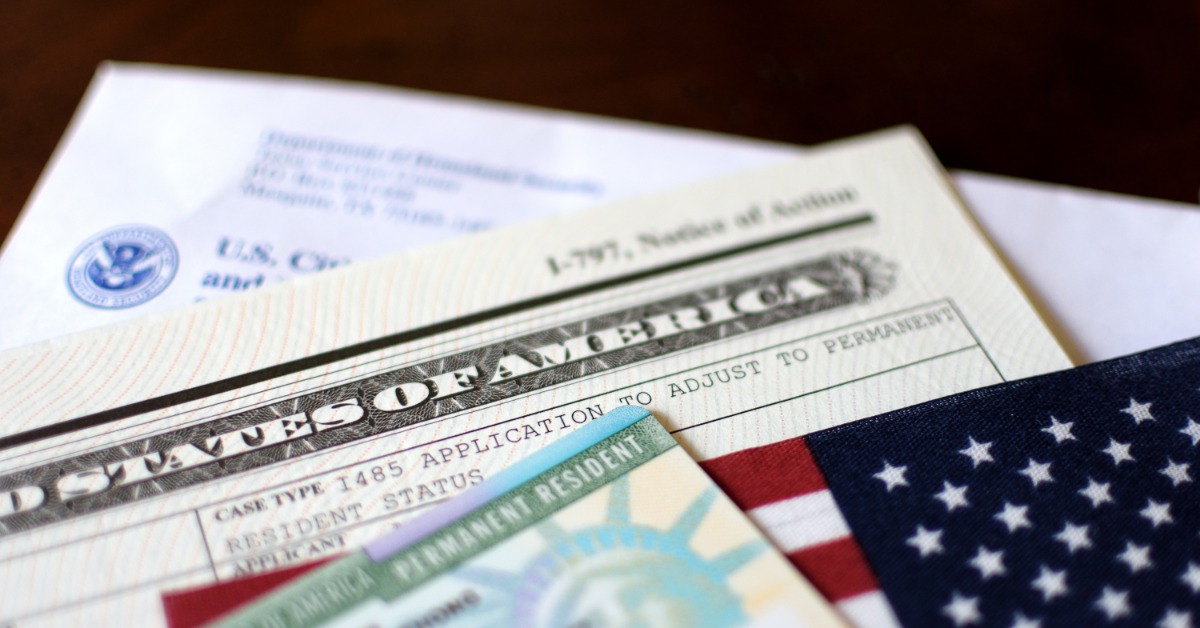
Investment-based immigration, such as the EB-5 Immigrant Investor Program, significantly differs from employer or family sponsorship. Qualified investors must meet a strict investment threshold in a U.S. enterprise and create or preserve ten full-time jobs for U.S. workers. Unlike employment-based categories, this path prioritizes investment and job creation, making it more complex and requiring different qualifications.
Other routes may exist in narrow circumstances, including humanitarian, special immigrant, or removal-related forms of relief. Those categories do not apply to every H-1B worker, but they show why the analysis should start with the person’s full immigration picture.
Key Questions H-1B Workers Should Ask Early
H-1B holders should avoid treating permanent residence as a single, standardized process. The path can change based on employment and other personal facts. Before starting, they should ask practical questions that can shape the entire strategy:
- Does an employer support permanent residence sponsorship?
- Could EB-2, EB-3, EB-1, or a National Interest Waiver apply?
- Does marriage to a U.S. citizen or green card holder create a family-based option?
- Does another qualifying family relationship support a petition?
- Does the applicant need to maintain H-1B status while waiting?
- Is adjustment of status available, or would consular processing apply?
- Could priority dates or visa backlogs affect timing?
These questions help prevent a worker from relying on a single path when another may be a better fit. A person may have more than one possible route, but each route carries different strengths and concerns. Legal counsel can help compare those options with the person’s real facts.
Choosing the Right Permanent Residency Path
For workers reviewing the H-1B-to-green-card process and seeking a step-by-step guide, the best first step is to identify all possible pathways before committing to one. Employment sponsorship may fit one person, while marriage or family sponsorship may fit another. Some applicants may need to compare multiple routes before choosing the safest strategy. Anyone considering permanent residence from H-1B status should speak with an immigration attorney before relying on assumptions about timing, eligibility, or the best path forward.
Need the assistance of an expert green card attorney in New Orleans while reviewing your options from H-1B status to permanent residence? Gahagan Law Firm understands that the right path may depend on your broader immigration history. Our team can review your situation, explain which pathways may apply, and help you approach the process with clear, informed guidance. Contact Gahagan Law Firm today to discuss your next steps.