

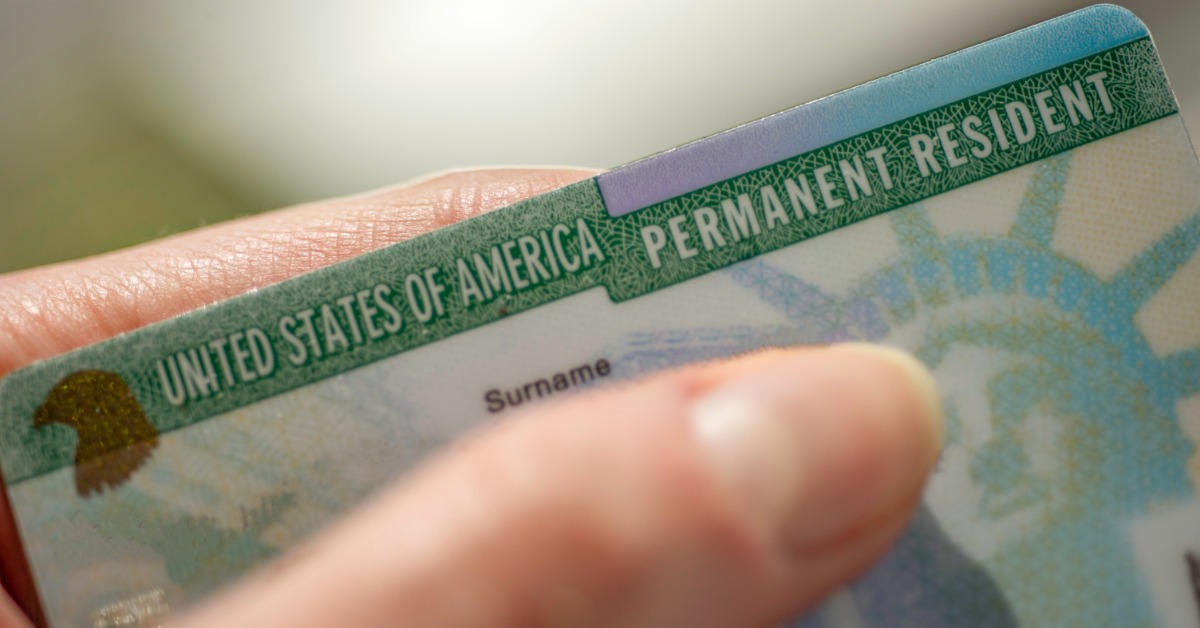
When your green card is about to expire, it can create real concern. You may wonder whether your lawful permanent resident status ends when the card expires. To understand how long a green card is valid and when to renew, you need to separate the card from the status it proves.
Your green card proves your lawful permanent residence but does not determine whether your status continues. However, an expired card can cause practical issues. Treat renewal as an important process, not just routine paperwork.
How Long Does a Standard Green Card Last
Most standard green cards remain valid for 10 years. You can find the expiration date on the front of the card. That date tells you when the document itself needs to be renewed, but it does not mean you need to apply for permanent residence again.
Your card helps you prove your right to live and work in the United States. Employers may request current proof during employment verification, while government agencies may need it for certain records or benefits. This is why prompt renewal is important.
Why the Card Expiration Date Still Counts
You may still hold lawful permanent resident status after the card expires. Still, the expired card can make it harder to prove your status. That problem can affect travel, employment records, and identity verification. It can also create stress when you need proof quickly.
Think of the card as the document you use to show your status. When the document expires, others may question whether it remains valid proof. That does not mean your status automatically disappears, but it does mean you may face avoidable delays and extra questions.

When You Should Start the Renewal Process
Many permanent residents begin renewal when their card is set to expire within 6 months. This gives you more time to handle processing and possible delays. Waiting until the card expires can leave you without current proof while the application remains pending. You should review your card early if travel or work changes are likely to occur soon.
USCIS generally uses Form I-90 for standard green card renewal. This form applies to many replacement situations, but you should review the current USCIS instructions before you file. If your history includes complications, you should speak with immigration counsel before submitting anything.
Why Timing Can Affect Your Plans
Renewal timing can affect more than the card itself. If you plan to travel soon, you may need proof of your current status before departure. If you plan to change jobs, you may need current employment verification documents. The earlier you review your card, the more control you have over your next steps.
Conditional Green Cards Have Different Rules
A conditional green card does not follow the same renewal process as a regular green card. Conditional permanent residents usually receive cards valid for two years. You cannot treat that card like a regular 10-year green card. Instead, you must file to remove the residence conditions.
This difference matters because Form I-90 usually does not solve a conditional residence deadline. Marriage-based conditional residents generally use Form I-751, while investor-based conditional residents generally use Form I-829. Filing the wrong form can waste time during a critical period.
The 90-Day Filing Window
Conditional residents usually need to file during the 90-day period before the card expires. This deadline deserves careful attention, as missing it can create immigration risk. You should get legal guidance if you are unsure which petition applies to your case.
When You May Need a Replacement Instead of Renewal
Renewal usually applies when your card is close to expiration. Meanwhile, a replacement is required if the physical card is damaged or lost. You may need a replacement if the card was lost, stolen, or damaged.
You may also need a replacement when the card contains incorrect information. For example, a name change can require you to update your documentation. The reason for filing should match the actual problem you need to fix.
What to Review Before Filing Form I-90
Form I-90 can look simple at first glance. Even so, mistakes can delay the process. You should confirm that your card is a 10-year green card before using it for renewal. You should also make sure your filing reason matches the facts.
If you have a criminal history or extended travel absences, consult counsel before filing. These issues may raise questions beyond standard renewal. Review your situation carefully before proceeding:
- Check whether you have a 10-year card or a two-year conditional card.
- Review the expiration date before travel or job changes.
- Use Form I-90 only when it fits your situation.
- Use Form I-751 or Form I-829 when removing conditions applies.
- Keep copies of filings and USCIS notices.
- Ask counsel about criminal history or long travel absences.
Following these steps can help you avoid unnecessary delays. If you are uncertain, do not guess. A lawyer can explain which process applies to your situation.
How Travel Can Change the Renewal Conversation
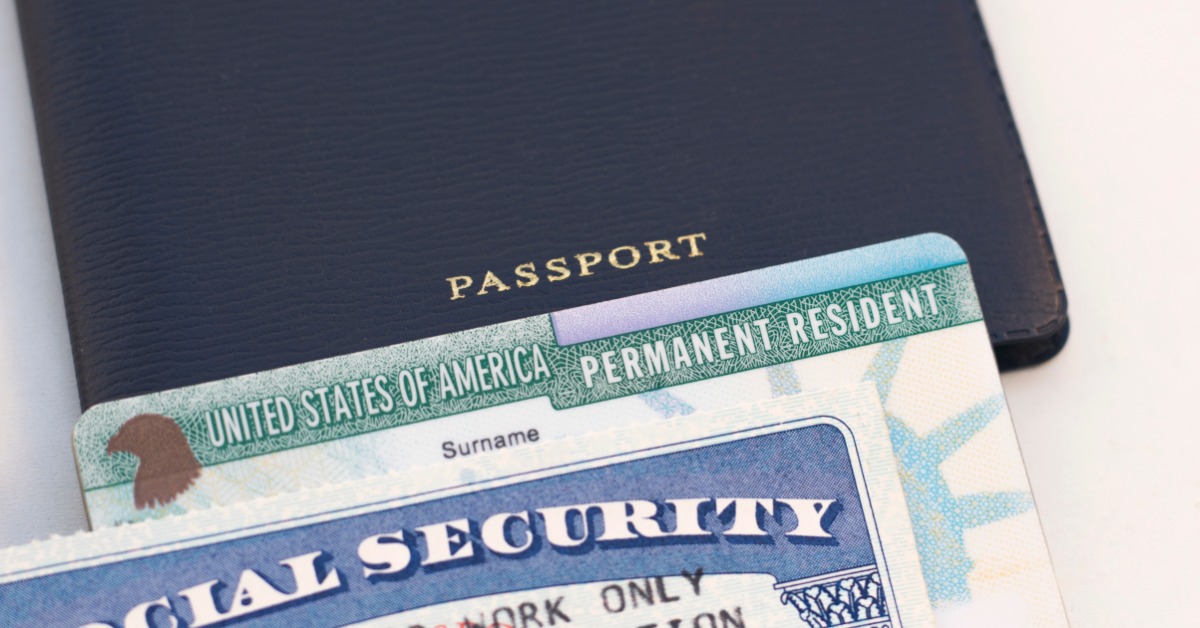
Travel can make card expiration feel more urgent. If you plan to leave the United States, you should review your card well before your trip. Airlines and border officials may scrutinize your documents, and an expired card can create problems when you travel.
Travel can also raise separate immigration concerns. Long absences from the United States may lead to questions about whether you maintained permanent residence. While a renewed card does not automatically fix every issue associated with extended travel, it can serve as legal proof of your status. If you have spent long periods abroad, speak with counsel before relying solely on renewal.
When You Should Speak With an Attorney
Some green card renewals are straightforward, while others need a closer review. Legal guidance may be helpful if you have a criminal history or past immigration violations. It may also help when you have long absences from the United States.
You should also seek help if you have conditional residence, as that process is not the same as standard renewal. A lawyer can help you understand whether renewal or removal of conditions applies specifically to your case.
Protecting Your Proof of Permanent Residence
Your green card helps you prove an important legal status. When it nears expiration, you should not wait until problems appear. If you are trying to understand how long a green card is valid and when to renew it, the key is timing. You should review the type of card you have and the applicable deadline.
It also helps to think about travel, work, and any immigration history that could affect the filing. When you are unsure, speak with an immigration attorney before relying on assumptions.
If you need to speak with an immigration lawyer in New Orleans about an expiring green card or a conditional residence deadline, Gahagan Law Firm can help. Led by Michael Gahagan, our firm provides clear guidance and careful attention to the details that affect your case. Contact us today to discuss your next steps.