

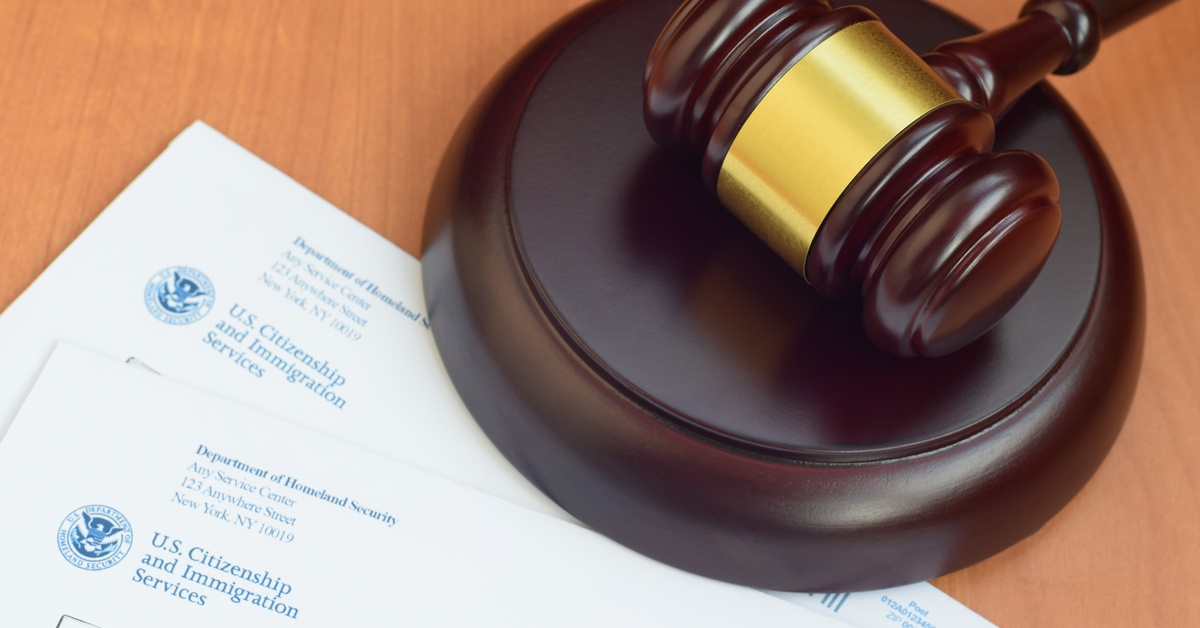
When immigration officials evaluate a person’s “domicile,” they are determining where that person maintains a true, permanent home, rather than where the person travels or resides temporarily. In family-based matters, the issue may become decisive when a petitioner has lived abroad for an extended period or intends to return to the United States in the near term.
Here are some common FAQs about proving U.S. domicile for immigration cases, explaining how domicile is generally assessed through objective indicators and consistent, credible evidence.
What U.S. Domicile Means for Immigration Purposes
U.S. domicile is a legal concept that generally refers to one principal home base. We’ll explain how it differs from related concepts and why the distinction may affect immigration adjudications.
Is Domicile the Same as Residence?
Domicile is not identical to residence. Domicile typically refers to the individual’s primary, permanent home, which is the location the person regards as the central base of life and intends to return to after any absence.
In immigration matters, officers often review a pattern of conduct rather than a short snapshot of where someone is staying. For that reason, a domicile analysis may focus on sustained ties and decisions that reflect long-term intent.
Why Does Domicile Matter in Immigration Cases?
Domicile matters because certain immigration processes depend on whether the petitioner or sponsor maintains a continuing, meaningful connection to the United States. Adjudicators may seek confirmation that the United States is not merely a mailing address, but the country where the person’s life is anchored.
The issue often arises when a U.S. citizen has lived abroad for a substantial period and then initiates a family-based filing. In those cases, officers may evaluate whether the claimed plan to reside in the United States is credible and supported by verifiable steps.
Can a U.S. Citizen Still Have a Domicile Problem?
Yes. Citizenship does not, by itself, establish where an individual is domiciled. A U.S. citizen may live abroad for years, accept long-term overseas employment, and maintain a stable foreign household.
If that individual later files an immigration petition that requires a showing of U.S. domicile or a credible plan to reestablish domicile, the officer may request evidence demonstrating that the United States is, or will again become, the person’s primary home.
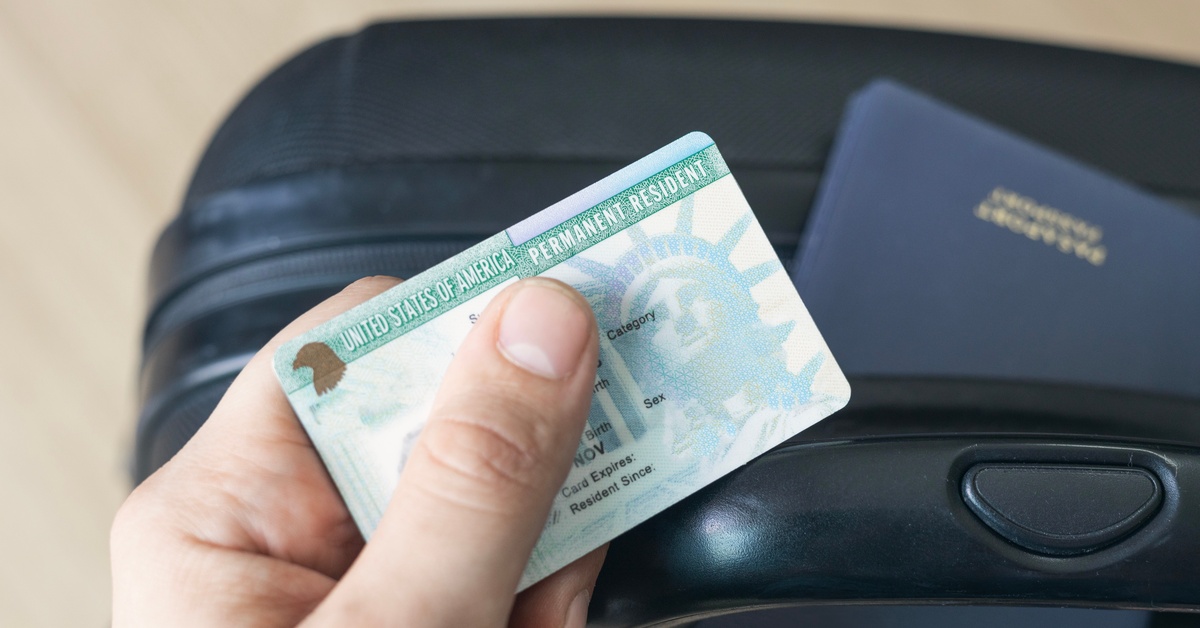
When Proving U.S. Domicile Becomes an Issue
Domicile questions do not arise in every case. We’ll explain the circumstances in which domicile tends to receive heightened scrutiny and why facts related to timing and long-term living arrangements often matter.
Does Living Abroad Automatically Create a Domicile Problem?
Living abroad does not automatically mean a person lacks U.S. domicile. Many individuals reside overseas for legitimate and time-limited reasons, such as employment assignments, academic programs, caregiving responsibilities, or other family considerations.
The central question is whether the person maintained meaningful ties to the United States during that period, or whether the person can credibly demonstrate that the United States will be the permanent home upon return.
When Does the Issue Most Often Come Up?
The issue arises frequently in family-based immigration matters when a petitioner has lived outside the United States for a long period and seeks to complete a process that requires U.S. ties.
The question may also arise when the petitioner uses a U.S. address, but the underlying record indicates the person’s life remains based abroad. In that circumstance, officers may seek a practical explanation of where the person lives, how the person earns income, and whether objective steps support the plan to reside in the United States.
Can Short Trips Outside the U.S. Raise Concerns?
Ordinarily, short trips outside the United States do not create domicile concerns when a person’s principal life remains based in the United States. Most individuals travel for business, family obligations, or personal reasons without changing their domicile. However, repeated or prolonged stays abroad may prompt closer review if the pattern resembles relocation rather than travel.

What Evidence Officials Often Consider
Domicile is typically evaluated through a totality-of-circumstances review. This section explains the categories of evidence that may be relevant and why consistency across the record is often important.
Is There a Document That Proves Domicile?
There is no single document that conclusively establishes domicile in every case. Officers generally assess domicile by reviewing whether the individual’s evidence forms a coherent and consistent picture of a permanent home in the United States. A single item, such as a U.S. address, may be insufficient if other evidence indicates that daily life remains centered abroad.
Do Employment, Finances, and Taxes Play a Role?
Employment and financial documentation are important because they demonstrate stability and ongoing commitments. U.S.-based employment, a documented transfer, or another credible basis for working in the United States can support a domicile claim. Financial activity may also be considered, including whether the individual maintains active U.S. accounts and manages ordinary life obligations in the United States.
Tax matters are not always straightforward because individuals living abroad may have complex filing obligations. For that reason, taxes often function as one factor within the overall record rather than the sole determinant of domicile.
Practical Considerations for a Domicile Claim
Even accurate facts can be misunderstood when presented without context. Here is why organization matters and how legal counsel may help a petitioner present a clear, accurate record.
Why Do Organization and Clarity Matter?
Officers must evaluate domicile based on the record presented, and a disorganized record can create unnecessary questions. Clear organization helps the decision-maker understand the timeline of the petitioner’s residence, why the petitioner lived abroad, and what actions support the claimed domicile or return plan. When the record is consistent and logically arranged, officers are less likely to infer gaps or contradictions.
How Can an Immigration Lawyer Assist?
An immigration lawyer can identify where a domicile claim may appear weak, inconsistent, or insufficiently supported. Counsel can assist in structuring the record, explaining cross-border considerations, and ensuring the narrative aligns with the documentation.
Legal guidance can also help avoid overstatements, which may undermine credibility if the evidence does not support the claims. The objective is a record that is clear, reliable, and internally consistent.
Consistency Is Key
Domicile questions can substantially affect immigration cases because they require the adjudicator to determine where a person’s permanent home is, and whether a claimed return to the United States is credible. For individuals seeking guidance on the FAQs about proving U.S. domicile for immigration cases, consultation with an immigration attorney can help ensure the claim is presented accurately and coherently.
If you are searching for a reliable green card attorney in New Orleans, Gahagan Law Firm is prepared to assist. Led by Michael Gahagan, our firm provides individualized guidance to help you present a clear, well-supported record that aligns with your circumstances. Contact Gahagan Law Firm to discuss your situation and take the next step with informed, careful representation.