

Medical eligibility plays an important role in many U.S. immigration cases. Immigrant visa applicants must complete an immigration medical examination, and certain nonimmigrant applicants also undergo one when required by law or directed by a consular officer.
The examination does not exist to exclude people simply because they have a health condition. U.S. immigration law instead identifies specific health-related grounds of inadmissibility. When a designated physician classifies an applicant as having a qualifying Class A condition, the finding can prevent visa issuance until the issue is resolved or an available waiver is approved.
Understanding the medical reasons that may get your visa denied can help you prepare before the examination and recognize when a health concern requires additional legal attention.
The Purpose of the Immigration Medical Exam
The immigration medical examination serves a specific legal purpose. A government-authorized physician reviews the applicant’s medical history and conducts the examinations required under Centers for Disease Control and Prevention guidelines.
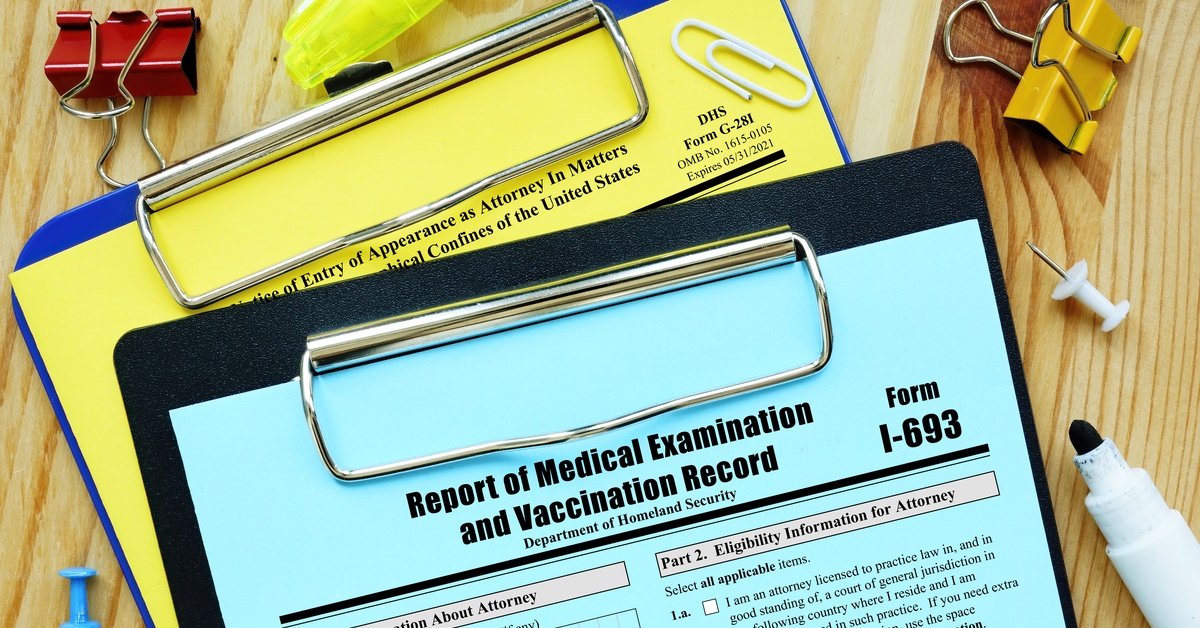
People applying for adjustment of status inside the United States generally complete Form I-693 with a USCIS-designated civil surgeon.
The physician can classify certain health findings as Class A or Class B. A Class A condition can create a health-related ground of inadmissibility. A Class B condition identifies a significant health issue but does not, by itself, make the applicant inadmissible on medical grounds.
Having a serious illness does not automatically mean a visa will be denied.
1. Infectious Tuberculosis
Tuberculosis receives significant attention during the immigration medical examination because active infectious TB qualifies as a communicable disease of public health significance.
CDC rules classify applicants diagnosed with infectious tuberculosis disease as Class A. An applicant who receives that classification cannot receive travel clearance until completing the required treatment under the applicable medical instructions.
A prior history of tuberculosis does not automatically create the same result. The physician evaluates whether the applicant currently has an infectious disease and applies the appropriate classification.
2. Untreated Syphilis
Syphilis is another communicable disease addressed during the immigration medical examination. CDC requires testing for applicants within designated age ranges and for others when the physician has reason to suspect an infection. The physician then uses specified laboratory testing to determine the appropriate immigration classification.
An applicant whose required tests establish untreated syphilis receives a Class A classification. After treatment, the physician can classify the applicant as Class B instead. A Class B classification for treated syphilis does not carry the same medical inadmissibility consequence.
3. Untreated Gonorrhea
Gonorrhea also falls within the current list of communicable diseases of public health significance for immigration purposes. An applicant diagnosed with untreated gonorrhea receives a Class A classification. The physician must provide treatment according to CDC requirements before changing the classification.
After treatment, the applicant receives a Class B classification rather than remaining medically inadmissible on that basis.
This shows why a medical issue that temporarily stops a visa case does not always create a permanent denial. Proper diagnosis and treatment can resolve the immigration medical concern.
4. Infectious Hansen’s Disease
Hansen’s disease, also known as leprosy, remains one of the communicable diseases that immigration medical examinations specifically address.
During the examination, the physician looks for medical signs associated with the disease. When an applicant has untreated multibacillary or paucibacillary Hansen’s disease, CDC instructions classify the condition as Class A.
Current CDC instructions allow an applicant who has completed at least seven days of recommended therapy and has appropriate treatment underway to receive a Class B classification.
An applicant who receives this diagnosis should follow the designated physician’s treatment instructions and keep records showing completed care.
5. Missing Required Vaccinations
Vaccination requirements apply to immigrant visa applicants and people seeking lawful permanent residence through adjustment of status. Immigration law requires applicants to establish compliance with designated vaccination requirements unless an exception or waiver applies.
The required vaccinations depend partly on the applicant’s age. Medical contraindications can also affect what the physician requires.
Useful preparation before the appointment includes:
- Locating original vaccination records when available
- Requesting copies from prior medical providers
- Bringing records with clear vaccination dates
- Telling the physician about known medical contraindications
- Following instructions for vaccines that remain necessary
- Keeping the vaccination worksheet provided after the examination
Missing records do not automatically mean the visa will ultimately be denied. The panel physician can determine which vaccines the applicant needs based on the available records and applicable requirements.
6. A Physical or Mental Disorder With Harmful Behavior
A physical or mental health diagnosis alone does not make someone medically inadmissible.
Immigration law focuses on a narrower situation. The applicant must have a physical or mental disorder associated with harmful behavior, or a history of such behavior when the physician determines that harmful conduct is likely to recur.
CDC defines harmful behavior in this context as conduct connected to the disorder that has caused serious injury or created a serious threat to health or safety.
The physician examines the relationship between the disorder and the behavior. When past harmful behavior exists but the physician determines that it is unlikely to recur, the condition can receive a Class B classification rather than Class A.
7. Drug Abuse or Addiction
A substance use disorder involving a controlled substance creates one of the more difficult health-related immigration issues.
Current CDC instructions use medical diagnostic standards to determine whether an applicant has a substance use disorder involving a substance controlled under federal law. Occasional use alone does not automatically result in a medical diagnosis. The designated physician must determine whether the applicant satisfies the applicable diagnostic criteria.
When the physician diagnoses a current substance use disorder involving a federally controlled substance, the applicant receives a Class A classification. Unlike several other health-related grounds, immigrant visa applicants generally do not have an ordinary waiver available for this specific ground.
Alcohol requires a different analysis because alcohol is not a controlled substance under the federal schedules used for this immigration ground. The distinction is technical, and applicants with a significant substance-use history should obtain legal guidance before assuming how previous conduct will affect the case.

Prepare for Medical Issues Before They Derail the Visa Process
Applicants should not panic simply because they have a medical history. Many health conditions never create a health-related ground of inadmissibility. Chronic illnesses and physical disabilities do not automatically prevent someone from receiving an immigrant visa.
Still, applicants with a history involving these medical reasons that may get their visa denied should prepare carefully before moving forward. Existing treatment records can become important when the panel physician needs to determine whether a condition remains active. Prior medical history can also influence whether further testing is required.
Face immigration complications during the visa process? Let Gahagan Law Firm assist you. Michael Gahagan is an expert immigration lawyer in Lafayette, LA. When a medical examination results in a Class A finding or raises questions about admissibility, our firm can review how the medical determination affects the immigration case and whether a waiver or another legal step is available.
Contact Gahagan Law Firm to discuss your circumstances today.