


Navigating employment in the United States can be challenging for individuals without a Social Security Number (SSN). Many people wonder: Can you work in the US without a Social Security Number? The answer is more nuanced than a simple yes or no.
While having an SSN makes employment easier, it’s not always an absolute requirement from day one. However, understanding the legal requirements, available alternatives, and proper procedures is crucial for anyone considering working in the US without this key identifier.
Social Security Number Requirements
The Social Security Number serves as a primary identifier for tax purposes and employment verification in the United States. Federal law requires employers to report wages and withhold taxes using either an SSN or an Individual Taxpayer Identification Number (ITIN).
Most employers will request an SSN during the hiring process. This requirement stems from their obligation to complete Form I-9 for employment eligibility verification and to report wages to the Internal Revenue Service.
The law doesn’t explicitly prohibit working without an SSN, but it does create practical barriers to doing so. Employers must verify your identity and work authorization, which typically involves providing documents that contain or require an SSN.
When You Can Work Without an SSN
Certain circumstances allow individuals to begin working before obtaining their Social Security Number. Understanding these exceptions can help you navigate the employment landscape legally and effectively.
Newly Authorized Workers
Individuals who recently received work authorization may apply for employment while their SSN application is pending. The Social Security Administration typically processes applications within two weeks, though processing times can vary.
During this waiting period, you can provide your employer with a receipt showing you’ve applied for an SSN. This documentation demonstrates your good-faith effort to comply with the requirements.
Some employers may be willing to delay the start date until you receive your SSN. In contrast, others might allow you to begin work immediately with the understanding that you’ll provide the number once available.
Students with Work Authorization
International students with valid work authorization through their educational institution often face SSN delays. F-1 students with on-campus employment authorization or Optional Practical Training (OPT) approval can typically work while awaiting their SSN.
Similarly, students on other visa types with work authorization may begin employment with proper documentation of their pending SSN application. The key is having a valid work authorization independent of the SSN status.
These situations require coordination between the employer, the educational institution, and relevant government agencies to maintain compliance throughout the process.
Alternative Tax Identification Numbers
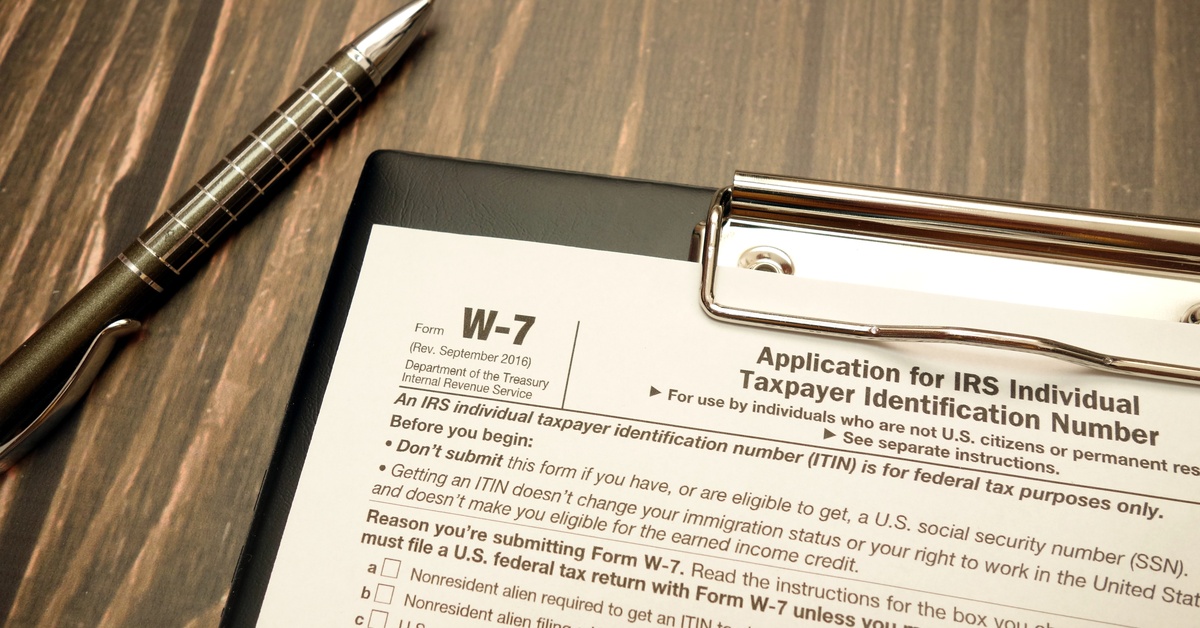
The Individual Taxpayer Identification Number provides a crucial alternative for individuals who cannot obtain an SSN but need to fulfill tax obligations. The IRS issues ITINs to individuals who have tax filing or payment requirements but aren’t eligible for a Social Security Number.
ITIN Application Process
Applying for an ITIN requires completing Form W-7 and providing documentation of your identity and foreign status. The process typically takes 6–10 weeks, though peak season applications may take longer.
You can apply for an ITIN while simultaneously working on obtaining proper work authorization. This allows you to fulfill tax obligations even if your employment situation is temporary or limited in scope.
Limitations of ITIN Use
While ITINs help with tax compliance, they don’t resolve all employment-related challenges. Many employers prefer hiring individuals with SSNs because it simplifies payroll processing and reduces administrative burden.
Furthermore, having an ITIN doesn’t automatically grant work authorization. You still need proper documentation showing your legal right to work in the United States.
Employer Considerations and Obligations
Employers face their own set of challenges and legal obligations when considering hiring workers without SSNs. Understanding these requirements helps both employers and employees navigate the process appropriately.
Form I-9 Compliance
Employers must complete Form I-9 for every employee, regardless of SSN status. This form requires acceptable documentation proving identity and work authorization.
The law lists acceptable documents, some of which don’t require an SSN. However, employers still need to report wages using a tax identification number. Proper I-9 compliance protects employers from legal penalties while providing a framework for legitimate employment relationships.
Payroll and Tax Reporting Challenges
Processing payroll without an SSN creates administrative complexities for employers. They must still withhold appropriate taxes and report wages to government agencies.
Many payroll systems are designed around SSN use, making alternative arrangements more complicated and potentially more expensive for employers.
These practical considerations often influence hiring decisions, even when legal pathways to employment exist without an SSN.
Steps to Take When Working Without an SSN
Taking proactive steps can help you navigate employment successfully while working toward obtaining your Social Security Number. Proper preparation and documentation are essential for this process.
Immediate Documentation Steps
Gather all available identification and work authorization documents before beginning your job search. This preparation demonstrates professionalism and helps potential employers understand your situation.
Apply for your SSN as soon as you’re eligible, and keep detailed records of your application. Having documentation of your pending application can help with employer communications and compliance efforts.
Consider applying for an ITIN if you anticipate tax obligations before receiving your SSN. This proactive approach shows responsibility and helps avoid compliance issues later.
Communication with Employers
Be transparent with potential employers about your SSN status from the beginning of the hiring process. Honest communication helps avoid misunderstandings and demonstrates integrity.
Provide employers with clear timelines for when you expect to receive your SSN. Additionally, offer to provide documentation of your application status and work authorization.
Some employers may need time to consult their legal or human resources teams about hiring procedures for workers without SSNs. Patience and understanding during this process can help build positive working relationships.
When To Consult an Attorney
Consider seeking legal counsel if you’re facing employer resistance, have complicated immigration status challenges, or are unsure about your work authorization. Professional guidance can help you understand your rights and available options.
Additionally, if you’re experiencing delays in obtaining your SSN or face unique circumstances not covered by standard procedures, an attorney can help navigate alternative pathways. Legal professionals can also help employers understand their obligations and available options when considering hiring workers without SSNs.
When faced with complex immigration matters, securing expert legal representation is crucial. If your circumstances necessitate the expertise of an immigration lawyer in Lafayette, Louisiana, we invite you to consider the comprehensive services offered by Gahagan Law Firm. Our dedicated team is prepared to provide thorough guidance and support tailored to your specific immigration needs.
Building Your Career Path
Working in the US without an SSN requires strategic planning and patience. While challenges exist, understanding the available pathways and requirements can help you build a successful career while working toward obtaining proper documentation.
Can you work in the US without a Social Security Number? The answer depends on your specific circumstances, work authorization status, and the flexibility of potential employers. With proper preparation, alternative identification options, and professional guidance when needed, many individuals successfully navigate this process.