


Navigating the US immigration system comes with many questions, one of the most common being the real difference between a green card versus US citizenship.
Each offers a pathway to living and working in the United States, but each comes with distinct rights, responsibilities, and long-term implications. Choosing between them isn’t always straightforward, especially when each status affects your future in different ways.
What Is a Green Card?
A green card, officially known as a Permanent Resident Card, grants you the legal right to live and work in the United States indefinitely. It’s a crucial step for many immigrants who want to establish roots in the country without fully committing to citizenship.
Rights of Green Card Holders
Green-card holders enjoy many of the same freedoms as US citizens. They can work in almost any job or start their own business. They’re also protected under US law, which means they have access to legal recourse if their rights are violated. Additionally, green card holders can apply for Social Security benefits after meeting certain work requirements.
Limitations of a Green Card
A green card offers considerable freedom, but it does come with restrictions. For instance, green-card holders cannot vote in federal elections. This means they don’t have a say in choosing representatives or influencing policies at the national level.
Travel can also be more complicated. If you leave the US for an extended period, typically more than six months, you risk abandoning your permanent resident status. Furthermore, green cards must be renewed every 10 years, which involves paperwork and fees.
Another important consideration is that green-card holders can face deportation under certain circumstances. Committing serious crimes or violating immigration laws could result in losing your status and being removed from the country.
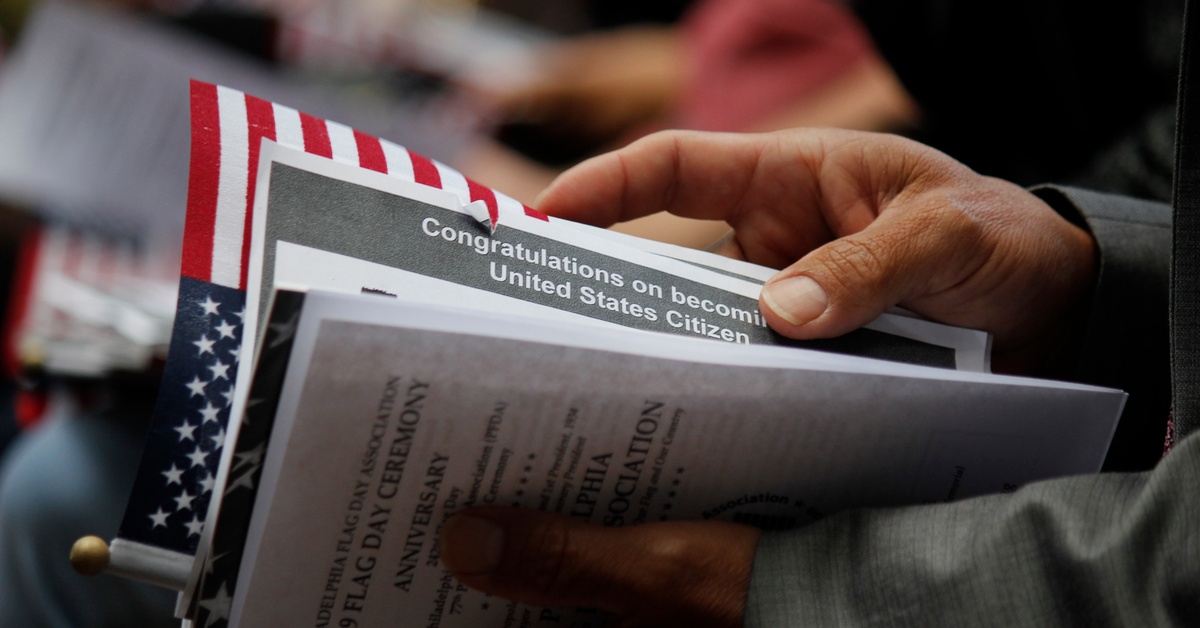
What Is US Citizenship?
US citizenship represents full membership in the American community. Citizens enjoy the broadest range of rights and protections under US law, along with fewer restrictions compared to green-card holders.
Rights of US Citizens
Citizens have the right to vote in all elections, from local races to presidential contests. This right allows you to directly participate in shaping the country’s future and holding leaders accountable.
You can also apply for a US passport, which makes international travel easier. American passports are among the most powerful in the world, granting visa-free or visa-on-arrival access to numerous countries.
Another major benefit is the ability to sponsor a wider range of family members for immigration. Citizens can bring spouses, children, parents, and siblings to the US, often with shorter waiting times than green-card holders face.
Protections and Security
One of the most valuable aspects of citizenship is the security it provides. Citizens cannot be deported, even if they commit certain crimes. Serious offenses still carry legal consequences, but your status as a citizen will remain intact.
Citizenship also eliminates the need to renew documents or worry about maintaining your status. Once you’re a citizen, that status is permanent, and it doesn’t require ongoing applications or fees.
Key Differences Between Green Cards and Citizenship
Now that we’ve covered the basics, let’s explore the major distinctions between these two statuses. Each category highlights how your rights and responsibilities change depending on whether you hold a green card or become a citizen.
Voting Rights
Green-card holders cannot vote in federal elections. However, citizens can participate in every level of government, from local school boards to presidential races. This right is one of the most fundamental ways to engage with the democratic process.
Eligibility for Government Jobs
Many federal positions require US citizenship. Roles in national security, law enforcement, and certain administrative positions are typically off-limits to green-card holders. Becoming a citizen opens the door to these opportunities.
Deportation Risk
Green-card holders can face deportation if they violate immigration laws or commit certain crimes. Citizens, on the other hand, enjoy immunity from removal. This protection offers peace of mind, especially for those concerned about changing immigration policies.
Passport and Travel Freedom
Green-card holders can travel internationally, but extended absences may jeopardize their status. Citizens face no such restrictions and can stay abroad as long as they wish. A US passport also simplifies entry into many countries without the need for visas.
Family Sponsorship
Green-card holders as well as citizens can sponsor family members, but citizens have broader options. They can bring immediate relatives such as spouses, parents, and children without long waiting periods. Green-card holders face more limited categories and longer processing times.
Renewal Requirements
Green cards expire every 10 years and must be renewed. Citizens don’t have to worry about renewal processes or associated fees. Your citizenship is lifelong and doesn’t require maintenance.
Deciding Between a Green Card and Citizenship
Choosing between these two statuses depends on your personal goals and circumstances. Some people are content with the flexibility a green card offers, while others seek the full rights and security that come with citizenship.
Consider Your Long-Term Plans
Ask yourself where you see your future. If you plan to stay in the US permanently and want to fully integrate into American society, citizenship may be the right choice. However, if you’re uncertain about staying long-term or you want to maintain stronger ties to your home country, a green card might suit you better.

Evaluate Your Priorities
Think about what matters most to you. Do you value the ability to vote and influence policy? Are you interested in government jobs or positions that require citizenship? Your choice depends on your circumstances and future goals.
Understand the Naturalization Process
Becoming a citizen requires meeting specific eligibility criteria. You must have held a green card for at least 5 years (or 3 years if you’re married to a US citizen). You’ll also need to demonstrate good moral character, pass English and civics tests, and take an oath of allegiance.
The naturalization process involves paperwork, interviews, and fees. However, many people find the investment worthwhile.
Choosing Your Immigration Status
Deciding between getting a green card versus a US citizenship is an important step in your immigration journey. Each status offers unique advantages and comes with its own set of considerations. Green cards provide stability and flexibility, allowing you to live and work in the US while maintaining ties to your home country. Citizenship, meanwhile, offers deeper integration, broader rights, and greater security.
Take time to reflect on your priorities and long-term goals. Consulting with an immigration lawyer can help you navigate this decision by assessing your specific situation, answering questions, and guiding you through the next steps.
If you’re looking for a permanent residence attorney who truly understands the complexities of immigration law, Gahagan Law Firm specializes in helping individuals and families navigate the immigration process with confidence. Led by the experienced Michael Gahagan, our team is dedicated to providing expert guidance and personalized support every step of the way. Reach out to us today!