

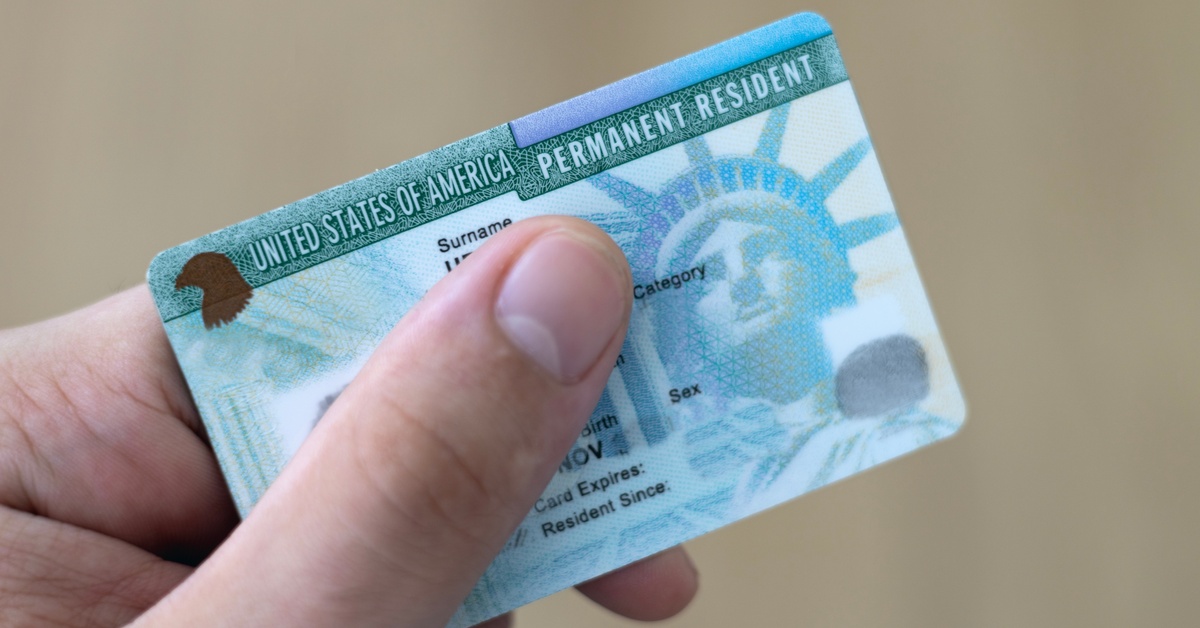
You’ve submitted your paperwork, paid the fees, and now you’re left wondering when you’ll finally receive that coveted green card approval. The truth is, the full timeline of how long an adjustment of status can take varies dramatically based on several factors. Some applicants receive approval in as little as eight months, but others wait over two years.
The process depends on your specific case type, where you file, and the current processing backlogs. Understanding what to expect can help you plan accordingly and avoid unnecessary stress during this life-changing process. Let’s break down the realistic timelines and factors that influence your wait.
What Is an Adjustment of Status?
Adjustment of status allows eligible individuals already in the United States to apply for permanent residence without leaving the country. This process differs from consular processing, where applicants must complete their immigration process at a US embassy or consulate abroad.
Most adjustment of status applications fall under family-based or employment-based categories. Marriage to a US citizen represents one of the most common paths, but other qualifying relationships and job offers can also lead to permanent residence.
Current Processing Times by Category
Processing times for adjustment of status applications can vary drastically depending on the category under which the application is filed. Understanding the current timelines for different categories is essential to setting realistic expectations and planning accordingly. Below is an overview of processing times by category.
Family-Based Adjustment of Status
Marriage to a US citizen typically processes faster than other family categories. Current processing times range from 8 to 15 months for most field offices, though some locations experience longer delays.
Spouses of permanent residents face additional challenges because they’re subject to visa number availability. This can add months or even years to the process, depending on the applicant’s country of birth.
Employment-Based Categories
Employment-based adjustment of status cases vary widely based on the preference category and country of origin. EB-1 cases for individuals with extraordinary ability often process within 8 to 12 months.
EB-2 and EB-3 categories face longer waits, particularly for applicants from India and China. Some employment-based applicants wait several years due to per-country limits and visa availability.
The labor certification process (PERM) adds additional time before filing the adjustment application. This preliminary step can take 18 to 24 months or longer.
Factors That Affect Processing Speed
Several factors can influence the processing speed of immigration applications, particularly for employment-based categories. Understanding these factors helps applicants plan their timelines more effectively and prepare for potential delays during the process.
USCIS Field Office Location
Your local field office can also impact processing times. Some offices handle cases much faster than others due to staffing levels and caseload volume. For example, offices in smaller cities might process cases in 8 to 10 months, but major metropolitan areas could take 15 to 18 months for the same type of application.
You can’t choose your field office; your residential address determines it. However, you can check current processing times on the USCIS website for your specific office.
Case Complexity and Documentation
Complete, well-organized applications typically move through the system faster. Missing documents, unclear evidence, or complex circumstances can trigger Requests for Evidence (RFEs) that add months to your timeline.
Previous immigration violations, criminal history, or multiple prior applications also create additional complexity. These cases require more thorough review and often take longer to resolve. Providing strong initial evidence and working with experienced legal counsel can help avoid delays related to incomplete submissions.
Visa Number Availability
Many adjustment of status applicants must wait for visa numbers to become available before USCIS can approve their cases. The monthly Visa Bulletin determines availability based on preference category and country of birth.
Immediate relatives of US citizens don’t face visa number limitations, which contributes to their faster processing times. Your priority dates also determine your place in line for visa numbers. If your priority date isn’t current, your case will remain pending regardless of how quickly USCIS processes it.

Steps in the Adjustment Process Timeline
Understanding the timeline for the adjustment of status process is crucial for successfully navigating the path to legal permanent residency. This section outlines the major steps involved and provides an overview of what to expect at each stage.
Initial Filing and Receipt (Weeks 1–4)
After mailing your adjustment of status package, you’ll receive Form I-797C (Notice of Action) within 2 to 4 weeks. This receipt notice confirms USCIS received your application and provides your case number.
The receipt notice includes your biometrics appointment notice or indicates when to expect it separately. Don’t panic if you don’t receive everything immediately. Processing centers handle millions of applications annually.
Biometrics Appointment (Months 1–3)
USCIS typically schedules biometrics appointments within 2 to 8 weeks of receiving your application. This appointment involves fingerprinting, photographing, and signature collection for background checks.
You can reschedule your biometrics appointment if necessary, but delays might extend your overall processing time. The appointment itself usually takes less than 30 minutes.
Background checks also begin after your biometrics appointment and can take several months to complete, particularly if you’ve lived in multiple countries or have a common name.
Interview Scheduling (Varies Widely)
Not all adjustment of status cases require interviews, but marriage-based cases almost always do. Employment-based cases might skip interviews if the evidence is straightforward and complete.
Interview scheduling varies dramatically by field office and case type. Some applicants receive interview notices within 6 months, but others wait over a year. The interview itself typically lasts 15 to 30 minutes and focuses on verifying information in your application.
When To Follow Up on Your Case
USCIS provides case processing time estimates for each office and form type. If your case exceeds these timeframes, you can submit a case inquiry through their online system.
Avoid calling USCIS customer service repeatedly about normal processing delays. Save your inquiries for situations where your case truly exceeds published timeframes or you haven’t received expected notices.
Planning for Your Adjustment of Status Timeline
How long an adjustment of status takes depends on your specific circumstances, but understanding the process and the full timeline helps you navigate this life-changing journey with greater confidence.
While the wait can feel endless, thousands of applicants complete this process every month and begin their new lives as permanent residents. Stay organized, respond promptly to any USCIS requests, and consider working with qualified legal counsel to maximize your chances of a smooth process.
Are you in need of a reliable and experienced adjustment of status law firm to support you through this important process? Look no further than Gahagan Law Firm! Our team understands how overwhelming the adjustment of status process can feel, which is why we are here to navigate every step with care, precision, and unmatched professionalism. Trust us to be your partner in achieving your immigration goals!