


Navigating the U.S. immigration system involves understanding various stages and terminology that can greatly impact your travel plans and legal status. Many applicants find themselves confused when they receive notifications about their Visa being “approved” versus “issued,” often wondering whether these terms mean the same thing or represent different phases of the process.
Understanding the difference between an approved and an issued U.S. visa is crucial for proper planning and ensuring you meet all requirements before attempting to enter the country. This comprehensive guide will clarify the fundamental differences between visa approval and issuance, explain what each visa status means for your specific situation, and provide essential information about timing, next steps, and common scenarios you might encounter during the process.
What Does Visa Approval Mean?
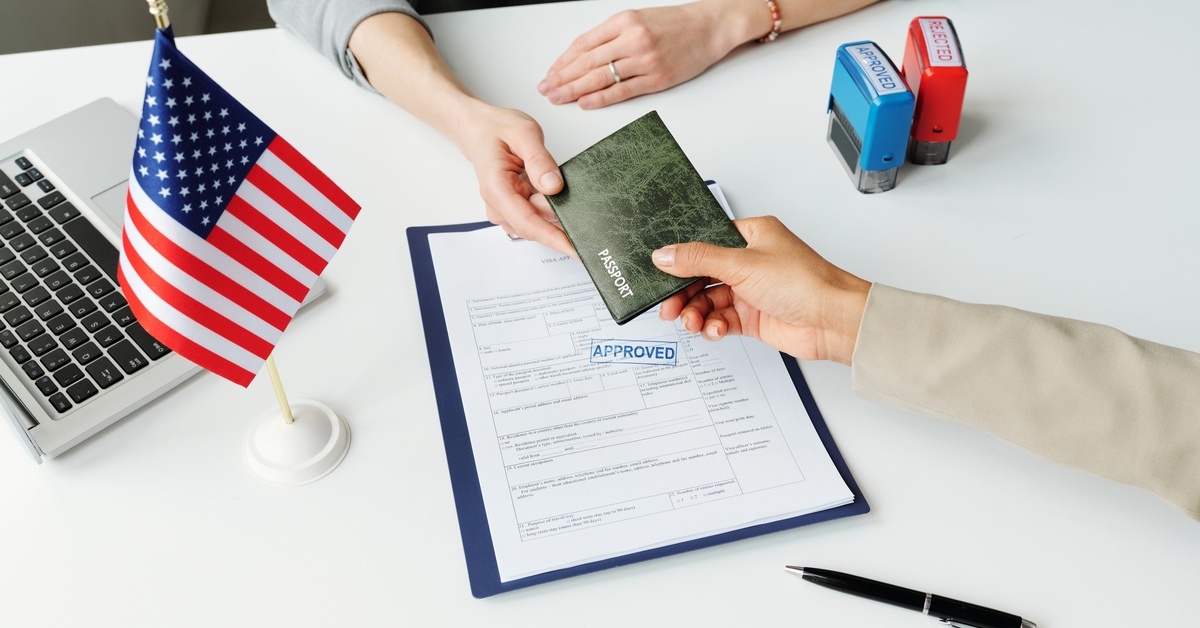
Visa approval represents the initial positive decision made by a U.S. consular officer or immigration official regarding your visa application. An approved visa indicates that the reviewing authority has determined you meet the basic eligibility requirements for the specific visa category you applied for and that your supporting documentation appears satisfactory.
During the approval stage, consular officers evaluate your application against established criteria, including your purpose for visiting the United States, your ties to your home country, your financial situation, and your overall admissibility. This evaluation process involves reviewing your Form DS-160, supporting documents, interview responses (if applicable), and any additional evidence you provided.
The approval decision means that no major red flags or disqualifying factors were identified in your case. However, this status does not automatically grant you the physical visa document or immediate authorization to travel. Several administrative steps typically remain before you can receive your actual visa.

Understanding the Visa Issuance Process
Visa issuance occurs after approval and represents the final step where you receive the physical visa stamp or document that allows you to enter the United States. This stage involves your visa’s actual production and delivery, which includes printing the visa label, affixing it to your passport, and arranging for your document’s return to you.
The issuance process typically involves several administrative steps that can take additional time beyond the initial approval decision. These steps may include quality control checks, administrative processing for certain visa categories or nationalities, and coordination with various government agencies for security clearances.
During issuance, your passport remains with the consular office while they complete the necessary procedures. The timeline for this process can vary depending on your visa category, your nationality, current processing volumes at the specific consular post, and whether any additional administrative processing is required.
Key Differences Between Approved and Issued Visa Status
The primary difference between approved and issued status lies in timing and what each represents in your immigration journey. Approval indicates a positive decision has been made regarding your eligibility, while issuance means you have received the physical authorization to travel.
From a practical standpoint, you cannot travel to the United States with only an approved visa. Travel requires an issued visa that has been physically placed in your passport and returned to you. This distinction is crucial for planning your departure dates and making travel arrangements.
The timeframe between approval and issuance varies considerably based on multiple factors. While the consulate may issue some visas within a few days of approval, others might require weeks or even months, particularly if additional administrative processing is necessary.
Approval generally indicates a high likelihood that your Visa will be issued, but it does not guarantee issuance. In rare cases, additional information discovered during the issuance process could potentially affect the outcome.
Administrative Processing and Timing Considerations
Administrative processing represents a common intermediate stage that can occur between approval and issuance. This process involves additional review procedures that certain applications must undergo before the consulate can physically issue a visa and return the applicant’s passport.
The duration of administrative processing varies and depends on factors your nationality, the specific visa category, your background, your intended activities in the United States, and current security requirements. Some cases may clear administrative processing within a few weeks, while others can take several months.
During administrative processing, your case remains in a pending status, and you typically cannot expedite the process or receive specific timelines for completion. Consular offices generally cannot provide detailed information about what specific checks they are conducting or when they will be complete.
Common Scenarios and Timeline Expectations
Different visa categories typically follow distinct patterns regarding the time between approval and issuance. Tourist and business visas often have shorter processing times, with consular offices issuing many within a few days to a week after approval, assuming no administrative processing is necessary.
Work-related visas, such as an H-1B, L-1, or O-1, may require additional processing time due to the documentation’s complexity and the need to coordinate with other government agencies. These visas might take several weeks between approval and issuance, even in straightforward cases.
Family-based and fiancé visas often involve extensive documentation review and background checks, which can extend the time between approval and issuance. The National Visa Center plays a role in many family-based cases, adding additional coordination steps to the process.
Are you searching for a trusted and experienced family immigration lawyer in New Orleans? Our team at Gahagan Law provides top-notch legal services tailored to meet your immigration needs. Michael Gahagan, a nationally recognized attorney with extensive expertise in immigration law, leads our firm and commits himself to guiding families through complex legal processes with professionalism and care. Give us a call today!
What To Do While Waiting for Issuance
Avoid making non-refundable travel arrangements or commitments that depend on specific travel dates while waiting for the consular office to issue your visa after approval. The uncertainty in timing makes it risky to book flights, hotels, or other arrangements until you have your issued visa in hand.
Stay informed about your case status through official channels, such as the Consular Electronic Application Center (CEAC), or by contacting the consular post where you applied. These resources can provide updates on whether your visa has moved from approved to issued status.
Maintain all your documentation and ensure your contact information remains current with the consular post. Promptly communicate any changes in your circumstances to the appropriate authorities, such as changes in employment, address, or travel plans.
Moving Forward With Confidence
The process from application to issued visa involves multiple steps, each serving important purposes in ensuring the U.S. immigration system’s integrity and security. While the wait between approval and issuance can be challenging, try to recognize that this process takes time and is normal and necessary.
Understanding what the difference is between an approved and an issued U.S. Visa represents just one aspect of immigration planning that requires careful attention to detail and proper timing. Stay informed, remain patient, and focus on preparing for your successful entry into the United States once you’ve received your issued visa.