
Immigrating to the United States often involves navigating complicated legal pathways, and the process can become particularly stressful when faced with time-sensitive challenges. For instance, what happens if a visa expires while awaiting adjustment of status? This question is crucial for individuals transitioning from a temporary visa to lawful permanent residency, as the implications can greatly impact their legal status and ability to remain in the U.S. Understanding your options and how to proceed is necessary for maintaining compliance with immigration laws while minimizing complications.
Understanding Adjustment of Status and Expired Visas
The adjustment of status process allows individuals already in the U.S. on a valid visa to apply for a green card without needing to leave the country. For many, this seemingly seamless transition can become worrisome if their visa’s expiration date approaches before they receive an adjustment of status decision. It’s important to recognize that an expired visa does not inherently equate to unlawful status if certain conditions are met during the process.
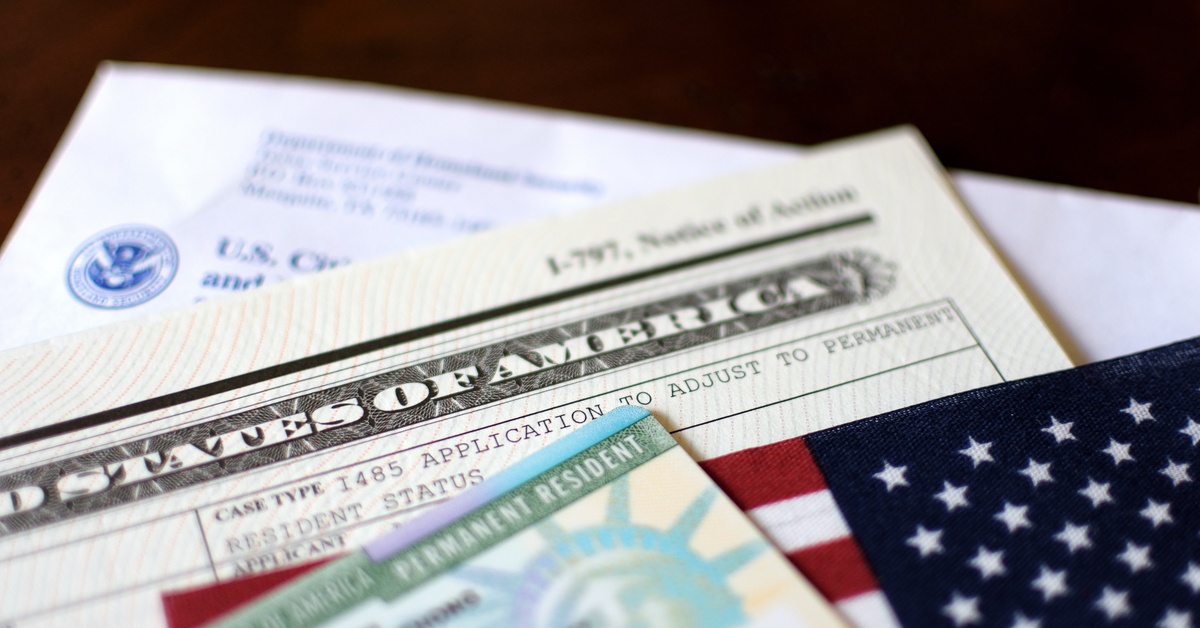
Individuals can protect themselves by filing Form I-485 when applying for adjustment of status, commonly known as Application to Register Permanent Residence or Adjust Status. Applicants will be in a “period of authorized stay,” meaning they can legally remain in the U.S. while their case is under review, after properly submitting the form. However, complications can arise if the applicant violates the original visa terms before filing the adjustment application or if the governing body denies the application. Being aware of these nuances is vital to avoid unlawful presence, which can have long-lasting effects.

Legal Implications of Overstaying a Visa
Remaining in the U.S. past the expiration of a visa without proper authorization can lead to serious consequences. Overstaying typically results in being considered “out of status,” which can trigger potential bars to reentry if the overstay exceeds certain thresholds. For instance, being unlawfully present for more than 180 days but less than one year may result in a three-year bar from returning to the U.S., while an overstay exceeding one year can lead to a ten-year bar.
The key distinction for applicants awaiting adjustment of status is that filing the I-485 form can shield against being classified as unlawfully present during the process. This protection formalizes your legal intent to shift from a temporary visa status to permanent residency and ensures you remain authorized to stay in the U.S. while awaiting a decision. Without this step, visa expiration alone could lead to severe legal consequences, leaving the individual vulnerable to deportation proceedings.
What Is the Purpose of Form I-485?
Form I-485, also known as the Application to Register Permanent Residence or Adjust Status, serves as a key step in transitioning from a temporary visa holder to a lawful permanent resident. This form allows individuals within the United States to legally request their intent to reside permanently without the need to return to their home country for visa processing.
Employment Authorization and Travel While Awaiting Adjustment of Status
A common concern for individuals worried about their visa expiration is whether they can continue working or traveling while their adjustment of status application is pending. U.S. Citizenship and Immigration Services (USCIS) provides solutions in the form of Employment Authorization Documents (EAD) and Advance Parole travel permits. Individuals can apply for these forms concurrently with the I-485 form, which allows applicants to work and travel while legally while waiting for their green card approval.
For instance, obtaining an EAD ensures that individuals do not face interruptions to their livelihood due to an expired visa. Similarly, Advance Parole permits enable applicants to temporarily leave the U.S. and return without jeopardizing their pending adjustment application. However, traveling without an Advance Parole can be risky, as it may invalidate the adjustment process.
When To Seek Professional Legal Guidance
Although the adjustment of status process provides a pathway for individuals to transition from temporary visa holders to lawful permanent residents, it is undeniably complex. Addressing concerns, such as visa expiration and proper documentation, often requires professional legal guidance to ensure compliance with immigration laws and mitigate potential risks.
Hiring an experienced immigration attorney can be beneficial in multiple ways. Legal professionals can assess your unique circumstances, review the timeline and documentation requirements for your adjustment application, and provide tailored strategies to address any complications. They can also intervene if you’ve already overstayed a visa and can resolve issues related to unlawful presence or inadmissibility.
Are you looking for an adjustment of status lawyer in New Orleans to guide you through the often complex immigration process? Look no further than Gahagan Law Firm. Michael Gahagan, a trusted and highly experienced immigration lawyer, and his team have dedicated themselves to helping clients with all aspects of their immigration needs. Gahagan Law Firm provides personalized, reliable legal support, whether you’re navigating the path to permanent residency or addressing other immigration matters.

Tips for Avoiding Common Adjustment Delays
You must take proactive measures throughout your application process to prevent complications related to expired visas and adjustment of status delays. First, ensure that all required documentation is complete and accurate when submitting Form I-485. Missing information or errors can lead to processing delays, prolonging the time spent in visa limbo.
Second, it is crucial to know the average processing time for your case. Unfortunately, processing times can vary depending on the application and workload of specific service centers. Therefore, it is crucial to be aware of potential delays, which can help you plan accordingly. Lastly, retain all correspondence and evidence related to your application, including application receipts, biometrics appointment notices, and supporting documents. These materials will be critical if any questions arise about your legal status.
Understanding Processing Times
Knowing the processing times for your application is essential to managing expectations and properly planning. Processing durations may differ based on the type of application, workload, and other external factors. Regularly check the USCIS processing time tables to get a better estimation of your case timeline.
Advancing With Confidence
Preparation and understanding are key for individuals navigating the complexities surrounding what happens if a visa expires while awaiting adjustment of status. Properly filing Form I-485 and taking advantage of tools, such as Employment Authorization Documents (EAD) and Advance Parole, can provide peace of mind during this period of transition. Additionally, careful attention to legal procedures and deadlines reduces the risk of complications, ensuring that the pathway to permanent residency remains achievable.
Consulting a trusted immigration attorney can provide clarity and support if you’re uncertain about how to proceed. Consider us at Gahagan Law Firm and empower yourself with expert legal assistance that helps safeguard your legal status. Immigration can be a challenging process, but with the right resources and preparation, you can move forward with confidence.