


Marriage to a U.S. citizen creates an important family relationship, but does not automatically grant lawful immigration status. For those who have overstayed a visa or received a removal order, a valid marriage certificate does not remove the risk of deportation. Even a genuine marriage with shared finances and family responsibilities cannot overcome all immigration violations or restrictions. Here is why marrying a U.S. citizen won’t protect you from deportation.
Marriage Does Not Automatically Grant Legal Immigration Status
Many people mistakenly believe that marrying a U.S. citizen immediately grants lawful residency. Although marriage creates a qualifying family relationship, immigrants still have to go through a separate legal process to get permanent resident status. A U.S. citizen can file Form I-130, Petition for Alien Relative, for a foreign-born spouse. This petition establishes the qualifying relationship, but neither filing nor approval automatically grants lawful permanent residence.
A Pending Marriage-Based Green Card Petition Does Not Stop Deportation
Filing an immigration petition doesn’t pause immigration enforcement. U.S. Immigration and Customs Enforcement (ICE) can still pursue removal if a foreign national remains subject to deportation, even if their U.S. citizen spouse has submitted a petition.
An immigration judge decides whether the government can legally remove someone and whether any relief applies. Simply having a pending Form I-130 isn’t enough to require dismissal of removal proceedings.
The same issue comes up when immigration authorities detain someone whose spouse is a U.S. citizen. A marriage certificate doesn’t automatically entitle anyone to release from immigration detention or prevent authorities from enforcing an existing removal order.
Why the Manner of Entry Is Important
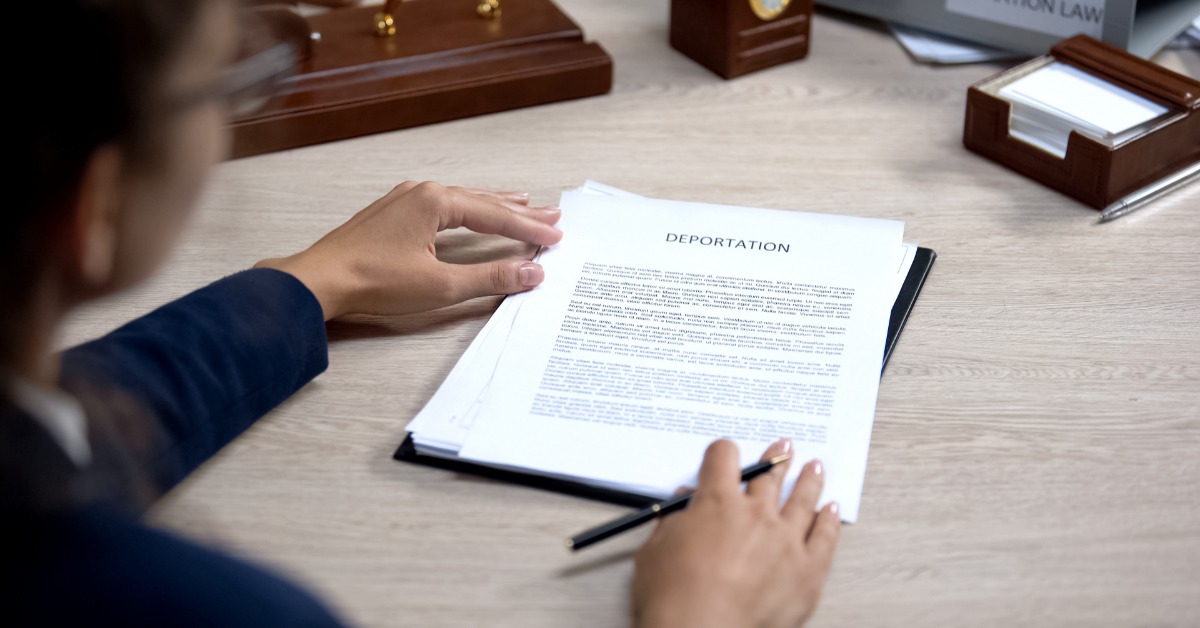
Consider two foreign nationals who marry U.S. citizens. One initially entered with a valid visitor visa and remained after the authorized period expired, while the other entered without inspection.
Although both individuals have married U.S. citizens, their immigration histories lead to very different legal outcomes. The person who was lawfully admitted can qualify for certain adjustment-of-status exceptions available to immediate relatives. In contrast, the person who entered without inspection generally faces an additional eligibility barrier.
For couples dealing with unlawful entry, the question isn’t whether the marriage is genuine; it’s whether the foreign-born spouse meets the legal requirements for permanent residence.
An Expired Visa Can Still Leave a Spouse Vulnerable to Removal
If a foreign national stays in the United States beyond their authorized period, they can become removable under immigration law. Marrying a U.S. citizen doesn’t retroactively extend an expired visa or erase the underlying status violation. However, federal law treats some status violations differently when a person applies for adjustment of status as an immediate relative of a U.S. citizen.
Certain Spouses Qualify for Adjustment Exceptions
Spouses of U.S. citizens are classified as immediate relatives for family-based immigration purposes. This classification provides exemptions from certain adjustment-of-status restrictions involving unauthorized employment and failures to maintain lawful nonimmigrant status.
For example, a person who was lawfully admitted into the United States and later overstayed a visa can still qualify for adjustment of status through marriage if the remaining legal requirements are met.
However, these exceptions do not eliminate all grounds of inadmissibility or protect the individual from every form of immigration enforcement. Prior removal orders, immigration fraud, and other legal restrictions can continue to affect eligibility.
Previous Deportation Orders Remain Relevant After Marriage
An existing removal order poses a particularly serious challenge for a foreign national married to a U.S. citizen. A removal order authorizes the government to remove someone from the United States. Getting married after authorities issue that order doesn’t automatically invalidate the decision or prevent immigration authorities from enforcing it.
The specific circumstances surrounding the order affect which legal remedies are available. In some cases, people may qualify for reopening or other forms of relief, but marriage by itself isn’t enough to cancel a final deportation order. As a result, a family-based immigration petition and an enforceable removal order can exist at the same time, leaving the foreign-born spouse exposed to deportation despite the marriage.
Unlawful Presence Can Create Three-Year or 10-Year Reentry Bars
Unlawful presence creates another obstacle that marriage to a U.S. citizen does not automatically resolve.
Federal immigration law restricts admission for certain individuals who accumulate unlawful presence in the United States and then depart. Depending on the circumstances and duration of unlawful presence, these restrictions can prevent an individual from returning for several years.
The principal unlawful-presence bars include:
- Three-year bar: Generally applies when a person accrues more than 180 days but less than one year of unlawful presence and departs under the circumstances specified by law.
- 10-year bar: Generally applies when a person accumulates one year or more of unlawful presence and departs or is removed.
- Additional restrictions: Certain prior removal orders and unlawful reentries can create separate grounds of inadmissibility.
- Waiver limitations: Some grounds of inadmissibility have waiver provisions, but eligibility relies on specific statutory requirements.
In certain circumstances, a qualifying U.S. citizen spouse can be relevant to a waiver of unlawful-presence inadmissibility. However, marriage does not guarantee that a waiver will be granted or that the person will ultimately qualify for an immigrant visa.
Criminal Convictions and Immigration Fraud Can Prevent Green Card Approval
Not every deportation case results from unlawful entry or an expired visa. Sometimes, criminal history or immigration-related fraud can create grounds for removal or prevent someone from getting lawful permanent residence.
U.S. immigration law establishes particular consequences for certain criminal convictions, including designated controlled-substance offenses and crimes involving moral turpitude. The immigration consequences depend on the offense, the applicable statutory provisions, and the person’s immigration history.
Marrying During Removal Proceedings Can Lead to Additional Scrutiny
Immigration authorities closely review marriages that occur while a foreign national is already involved in proceedings about the right to remain in the United States. Federal law puts additional restrictions on immigration benefits for marriages entered into during these proceedings. These rules aim to prevent people from arranging marriages mainly to avoid deportation instead of establishing a genuine marital relationship.
Why Legal Representation Is Essential When Deportation Threatens a Marriage
Marriage to a U.S. citizen can provide a path to permanent residence, but it doesn’t erase immigration violations or cancel an existing removal order. That’s why marrying a U.S. citizen won’t protect you from deportation, and why legal representation is essential when unresolved immigration issues threaten your ability to stay with your family in the United States.
Looking for a deportation lawyer in New Orleans? At Gahagan Law Firm, we understand the importance of protecting family relationships while tackling the legal obstacles of the U.S. immigration system. Our firm assists individuals and families with immigration matters, including marriage-based immigration and complex questions about legal eligibility.
If you or your spouse are concerned about deportation despite being legally married, contact Gahagan Law Firm to discuss your immigration circumstances with an experienced immigration attorney. Comprehending the legal implications of your immigration history is essential when your family’s future in the United States is at stake.