

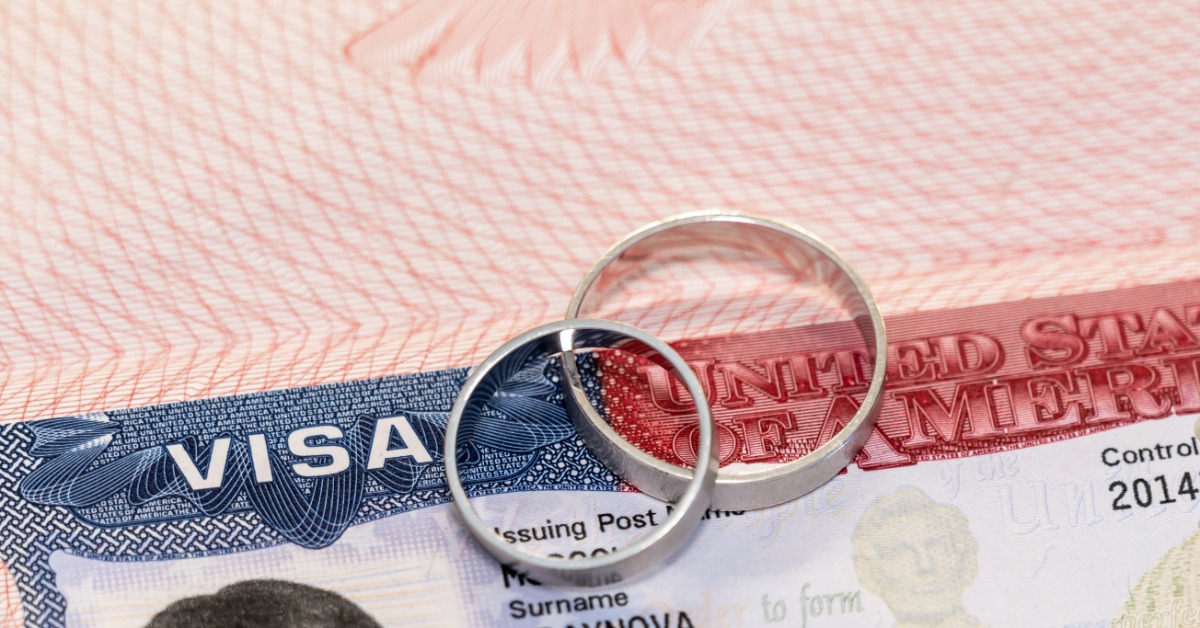
A K-1 fiancé visa allows a foreign national to enter the United States for one purpose: to marry the U.S. citizen who filed the fiancé petition. Once U.S. Customs and Border Protection admits the K-1 holder, the couple has 90 days to complete a valid marriage.
For couples trying to understand the 90-day marriage rule for K-1 visa holders, the most important point is simple. The 90 days concern the marriage itself. They do not create a general grace period for deciding whether to marry later.
What the 90-Day Marriage Rule Actually Requires
The K-1 category exists so a foreign fiancé can enter the United States and marry the U.S. citizen petitioner. The Department of State states that the marriage must take place within 90 days after entry.
The rule does not require the couple to hold an elaborate ceremony. Immigration law focuses on whether the marriage is legally valid under the law of the jurisdiction where it takes place. The relationship must also be genuine. A marriage entered into solely to obtain an immigration benefit does not satisfy the purpose of the K-1 process.
After the marriage occurs within the required period, the foreign spouse can generally seek adjustment of status through USCIS. That process allows the person to apply for lawful permanent residence from inside the United States.
The 90 Days Begin After Admission to the United States
The 90-day period starts when CBP admits the K-1 holder into the United States. The K-1 visa itself can remain valid for entry for a period determined at the time of issuance. Once the traveler uses the visa and enters the country, the separate 90-day marriage period begins. The electronic Form I-94 can help confirm the entry date and the period of admission.
Count From the Entry Date
A couple who waits several weeks after entry before setting a wedding date does not receive additional time. The immigration deadline continues running regardless of venue availability or other personal plans. Couples should therefore build their wedding timeline around the immigration requirement rather than assume USCIS will extend the K-1 period for ordinary scheduling problems.

You Must Marry the U.S. Citizen Who Filed the K-1 Petition
The K-1 holder must marry the same U.S. citizen who filed Form I-129F, as the visa was issued based on that specific petitioner-beneficiary relationship. Federal immigration law places strict limits on adjustment of status for people admitted in K classification. A K-1 holder generally cannot enter through one person’s fiancé petition and then use a marriage to another person as the basis for adjustment.
If the original relationship ends after entry, marrying a different U.S. citizen does not simply transfer the existing K-1 immigration process to the new spouse. That situation requires legal review because the person’s original K-1 status still expires after the authorized period.
What Happens When You Marry Within 90 Days
When the K-1 holder marries the original U.S. citizen petitioner within 90 days, the couple satisfies the marriage requirement tied to the fiancé visa. The foreign spouse can then apply for permanent residence by filing Form I-485 with USCIS, assuming the other adjustment requirements are satisfied.
The adjustment filing generally requires evidence showing that the qualifying marriage occurred. USCIS also reviews whether the applicant remains admissible to the United States. Financial sponsorship also changes at this stage. The U.S. citizen generally submits Form I-864, Affidavit of Support, as part of the permanent residence process.
The green card application therefore represents a new immigration stage. The K-1 visa brought the fiancé to the United States, but it does not automatically convert into permanent resident status after the wedding.
You Do Not Have To Receive a Green Card Within 90 Days
One common misunderstanding is that the entire permanent residence process must finish before the 90-day period ends. It does not.
The central K-1 requirement is that the valid marriage to the original petitioner takes place within the 90-day window. USCIS can adjudicate the Form I-485 long after that period has passed. The couple also does not need USCIS to approve the adjustment application during those first 90 days.
However, couples should not use this distinction to postpone the green card filing unnecessarily. Once K-1 status reaches the end of its authorized period, the foreign spouse no longer relies on K-1 status as an ongoing nonimmigrant classification.
A timely marriage therefore solves one legal requirement, but the couple should continue preparing for the next immigration stage.
Keep Important Records After the Wedding
Couples filing for adjustment of status should start preserving records from the K-1 process and begin organizing evidence connected to their married life.
Useful records can include:
- The K-1 holder’s passport and admission information
- The electronic Form I-94
- The marriage certificate
- The Form I-129F approval notice
- Evidence showing an ongoing marital relationship
- Financial sponsorship documentation
- Records connected to the immigration medical examination
Keeping the immigration record organized becomes especially important when some information has changed since the fiancé petition was filed. USCIS should receive accurate information during adjustment rather than outdated details copied from earlier forms.
What Happens If You Do Not Marry Within 90 Days
The consequences become more serious when the couple allows the 90-day period to expire without marrying. K-1 status lasts only for the limited period connected to the fiancé admission. The government does not provide an ordinary extension that allows the couple to remain engaged indefinitely inside the United States.
A K-1 visa holder who does not marry within 90 days must typically leave the United States or face possible removal. A marriage after the deadline also does not satisfy the normal K-1 adjustment requirements described by USCIS.
Couples facing a late marriage should not assume they can simply file the same adjustment package they would have filed after a timely wedding. The legal analysis changes once the 90-day requirement has not been satisfied.
Plan Around the Deadline Before Problems Develop
The K-1 process gives couples a defined period for completing the marriage that justified the visa. Couples should treat that deadline as an immigration requirement rather than a suggested wedding timetable.
When reviewing the 90-day marriage rule for K-1 visa holders, the distinction becomes clear: marrying on time to the original petitioner preserves the intended path toward adjustment of status. Missing that deadline changes the legal position and can create consequences that require a different strategy.
Looking for an expert fiancé visa attorney in New Orleans? Gahagan Law Firm assists couples with the entire process that follows marriage. If you have any questions about the 90-day deadline or an unexpected change in your relationship has complicated your case, our firm can review the circumstances and explain the options available under current immigration law.
Contact Gahagan Law Firm to discuss your K-1 case today.