


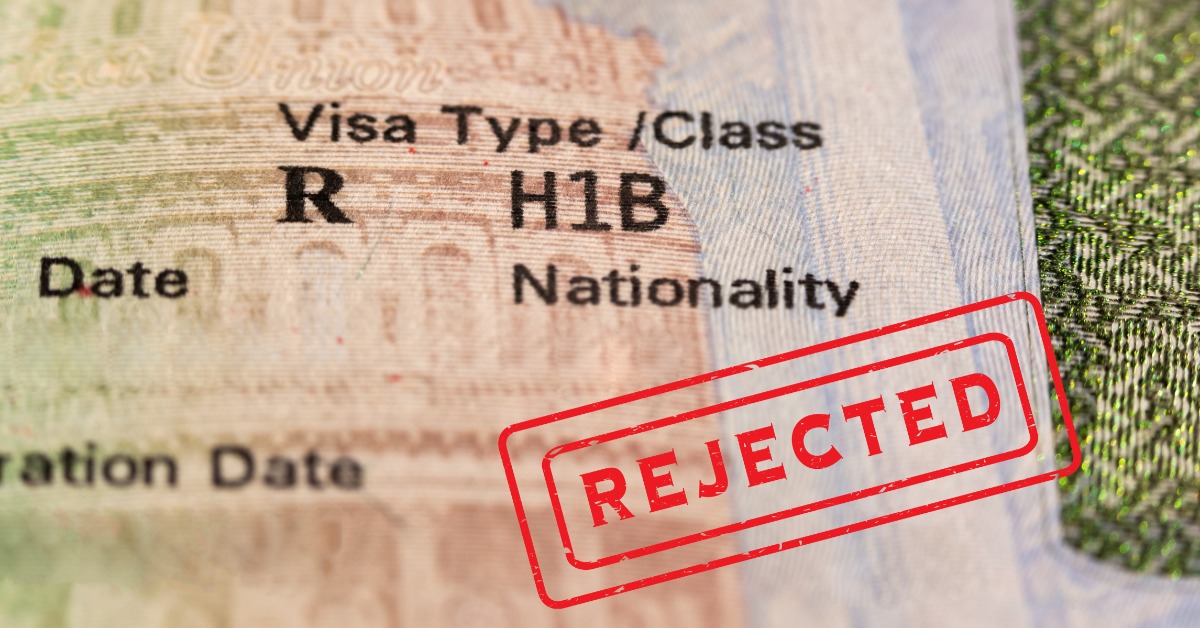
Missing the H-1B lottery can disrupt a carefully planned immigration strategy. For international professionals already working or studying in the United States, nonselection can also create immediate questions about employment authorization and how long they can remain in lawful status.
Depending on your personal circumstances, there are alternate visa paths that could fit your background. A qualifying family relationship can create a separate immigration path, while investors and business owners may have options that don’t depend on H-1B selection.
Here’s what to do after missing the H-1B lottery.
Start With Your Current Immigration Status
Before considering another visa, determine how much time remains in your present status. International students often reach the H-1B lottery while working through Optional Practical Training.
If the registration is not selected, the expiration date on the employment authorization document becomes especially important. Students who qualify for a STEM OPT extension can have additional time to remain employed while considering another strategy.
Do not assume a new filing automatically lets you keep working. Employment authorization depends on your immigration category and current status. A legal review should begin with the documents controlling your stay. Once you know the available time, you can evaluate which immigration paths are realistic.
Review Other Work Visa Options
The first alternative after an unsuccessful H-1B registration can still be another employment-based nonimmigrant visa. Some H-1B positions are exempt from the annual cap. Qualifying institutions of higher education can file cap-exempt petitions, as can certain affiliated nonprofit organizations and qualifying research organizations.
A professional who receives the right job offer can therefore pursue H-1B employment without relying on the regular annual lottery. Other work visa classifications can apply when the worker’s background and the employer’s circumstances satisfy their individual requirements. The correct classification depends on the type of employment and the worker’s qualifications.
Consider Family Immigration When a Qualifying Relationship Exists
For some people, employment is not the only way to remain permanently in the United States. A genuine qualifying family relationship can provide a separate immigration path. Marriage to a U.S. citizen is one common example, but family immigration also includes other relationships recognized under federal law.
Marriage-based immigration should never be approached simply as a backup plan after losing the H-1B lottery. USCIS closely examines whether the marriage is bona fide and was entered into for a genuine marital relationship rather than solely for immigration benefits.
When the relationship already exists, however, family immigration can substantially change the long-term strategy.
Consider a K-1 Fiancé Visa When the Relationship Qualifies
Someone engaged to a U.S. citizen living outside the United States can also have a path through the K-1 fiancé visa. The K-1 classification allows a qualifying foreign fiancé to enter the United States to marry the U.S. citizen petitioner. The marriage must occur within 90 days of entry. This route only applies when the couple genuinely intends to marry. The couple must also satisfy the K-1 eligibility rules.
Look at Investor Visas When Business Ownership Fits Your Plans
Entrepreneurs and business owners can have immigration options that do not depend on the H-1B lottery.
E-2 Treaty Investor Status
The E-2 classification allows qualifying nationals of treaty countries to invest in and direct a U.S. business. The applicant must make a substantial investment in a real operating enterprise. The investment cannot exist only on paper or remain an undeveloped plan.
E-2 status is temporary, not permanent residence, but it can provide an immigration route for qualifying entrepreneurs who intend to operate a U.S. business.
E-1 Treaty Trader Status
E-1 status applies to qualifying treaty-country nationals engaged in substantial international trade with the United States. The category focuses on ongoing trade rather than a traditional employer-employee relationship. As a result, it serves a very different type of applicant from the H-1B program.
EB-5 Immigrant Investor Cases
EB-5 provides a permanent residence route for qualifying investors who meet the program’s investment and job-creation requirements. Unlike E-2 status, EB-5 falls under the immigrant visa system and can lead directly to lawful permanent residence.
Investor immigration requires significant financial and business planning. Before committing capital, evaluate the legal requirements rather than assuming any U.S. investment will support a visa.

Think About Permanent Residence Instead of Another Temporary Visa
For professionals focused on long-term U.S. residence, another temporary visa is not always the only option.
Permanent residence can arise through several routes. Some cases depend on employment sponsorship, while others rest on family relationships or qualifying investment.
However, starting a permanent residence process also does not automatically extend a person’s existing immigration status or employment authorization. Temporary status and long-term green card planning often need to operate alongside each other.
Review Your Options Before Your Current Status Expires
The worst time to evaluate alternatives is after lawful status or employment authorization has already ended. Anyone dealing with H-1B nonselection should review the available time and identify which immigration categories genuinely fit the circumstances.
Questions worth examining include:
- How long does your current status remain valid?
- Does another work visa fit your employment situation?
- Do you have a qualifying family immigration path?
- Are you engaged to a U.S. citizen and living abroad?
- Does business ownership create an investor visa option?
- Do you already have a basis for permanent residence?
- Would adjustment of status be legally available?
The answer can involve more than one immigration strategy. A person can need a temporary solution while pursuing a longer-term green card route. What matters is that each filing has a valid legal foundation.
Build a Strategy Beyond the H-1B Lottery
H-1B nonselection can feel like a dead end when employment sponsorship has been the center of the immigration plan. U.S. immigration law, however, includes routes based on family relationships and investment as well as employment.
When determining what to do after missing the H-1B lottery, consider your actual circumstances first. Someone building a U.S. business faces different options than someone preparing to marry a U.S. citizen. Legal counsel can help you review which alternate visa paths best fit your case.
Need an expert immigration lawyer in New Orleans after missing the H-1B lottery? Gahagan Law Firm can review your current status and help you understand which immigration options deserve consideration based on your circumstances. A failed lottery selection does not always end your U.S. immigration plans, but the strongest alternative depends on the facts of your case. Contact Gahagan Law Firm to review your options and take the next step with a focused immigration strategy.