

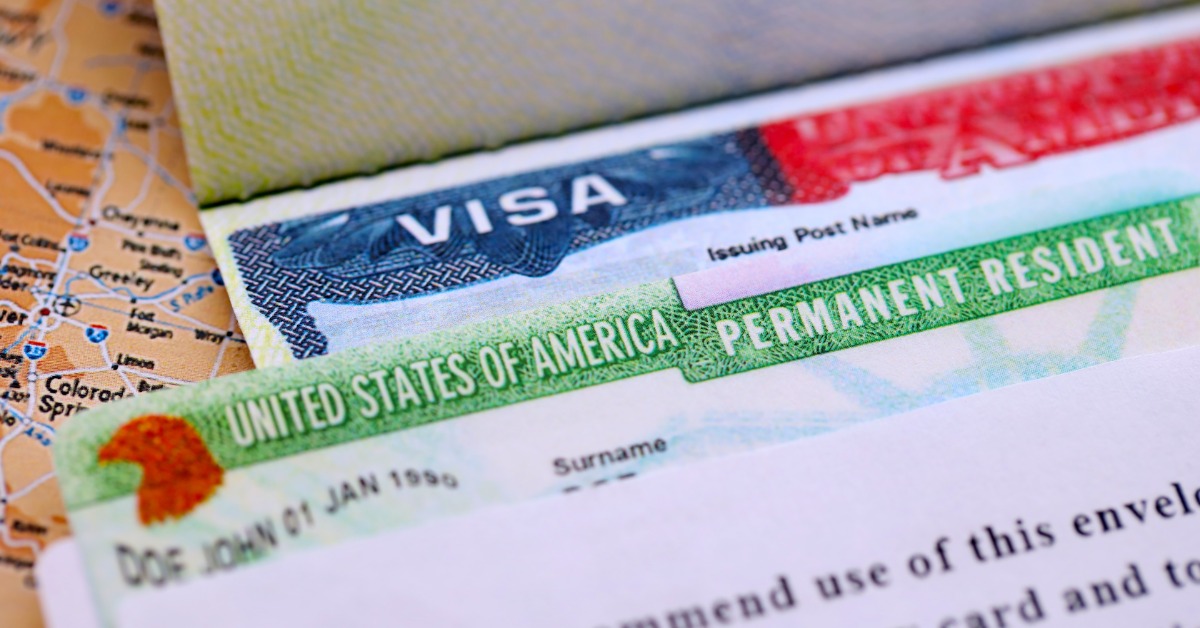
Good moral character affects whether a person qualifies for certain immigration benefits, especially naturalization. Rather than asking whether an applicant has lived a flawless life, USCIS evaluates whether the person’s conduct meets the standards expected of an average community member.
These six examples of good moral character in U.S. immigration help applicants understand what evidence can strengthen their record. Keep in mind, though, that no single example guarantees approval, since USCIS considers each case’s unique circumstances.
What Good Moral Character Means in Immigration Law
Naturalization applicants generally must establish good moral character during a specific statutory period, which for many covers the five years immediately before filing Form N-400 and continues through the naturalization process.
If you qualify through marriage to a U.S. citizen, you generally face a three-year statutory period instead. However, USCIS may still examine earlier conduct if it relates to whether you have genuinely reformed during the required period.
Paying Taxes and Addressing Tax Problems Responsibly
By complying with tax obligations, you provide important evidence of good moral character. USCIS specifically identifies paying taxes as a positive factor officers can consider when reviewing your case.
During the process, naturalization applicants must answer questions about whether they failed to file required federal, state, or local tax returns. While overdue taxes can affect the character determination, a tax balance does not automatically indicate poor moral character in every case.
If you discover an unpaid obligation and enter into a legitimate repayment agreement, you can present evidence of the steps you took to resolve it. USCIS Form N-400 instructions specifically request documentation showing an agreement with the taxing authority and your current repayment status.
Meeting Family Support Responsibilities
Taking responsibility for a spouse or children also supports a favorable character determination. Current USCIS guidance recognizes family responsibilities as positive evidence that officers may weigh in your favor.
Pay particular attention to child support, as failing to provide court-ordered support can raise serious concerns about good moral character.
If you have consistently met support obligations, document that history when the issue becomes relevant. Payment records or court documents establish compliance far more effectively than a general statement that you care for your family.
Correcting Past Support Problems Can Show Rehabilitation
If you have struggled with nonpayment in the past, the analysis does not always end there, provided no permanent statutory bar applies. USCIS policy recognizes that correcting overdue child support or other family obligations can serve as evidence of rehabilitation. The agency considers whether you ignored an obligation or took meaningful steps to correct past conduct.
Maintaining Stable and Responsible Employment
Stable employment can also support a favorable view of your character, especially when it shows responsibility over time. USCIS identifies stable, responsible employment as positive evidence of good moral character.
However, neither a high salary nor a prestigious position can excuse conduct that creates a statutory bar. Employment evidence is valuable only when it shows a reliable record, for example, when long-term work shows you consistently fulfill professional obligations.
Contributing to the Community
Volunteer service and community involvement are additional ways to demonstrate good moral character. USCIS considers these as positive evidence, and meaningful participation in community or religious organizations can further strengthen your record.
This does not mean you must volunteer a certain number of hours to qualify for naturalization; immigration law does not impose a general community-service quota.
Instead, genuine community involvement helps show how you conduct yourself outside formal immigration proceedings. Evidence carries more weight when it reflects sustained participation, rather than a last-minute activity undertaken solely before filing Form N-400.
Demonstrating Genuine Rehabilitation After Past Misconduct
A prior mistake does not always prevent you from establishing good moral character; the legal effect depends on the conduct involved, since certain offenses create statutory or permanent bars.
When no such bar applies, demonstrating rehabilitation becomes extremely important.
USCIS’s current policy directs officers to pay closer attention to whether you have genuinely reformed after wrongdoing, recognizing several forms of rehabilitation, including compliance with court-imposed conditions, as evidence of change.
Time Alone Does Not Establish Rehabilitation
Simply waiting several years after a negative event does not necessarily prove reform. Instead, USCIS considers what you do during that period. A continued pattern of similar behavior weakens a rehabilitation claim, while responsible conduct shows genuine change.
Showing Respect for the Law and Honesty in the Immigration Process
Consistently respecting the law also contributes to a favorable good moral character determination. USCIS’s current approach examines your conduct within broader community expectations.
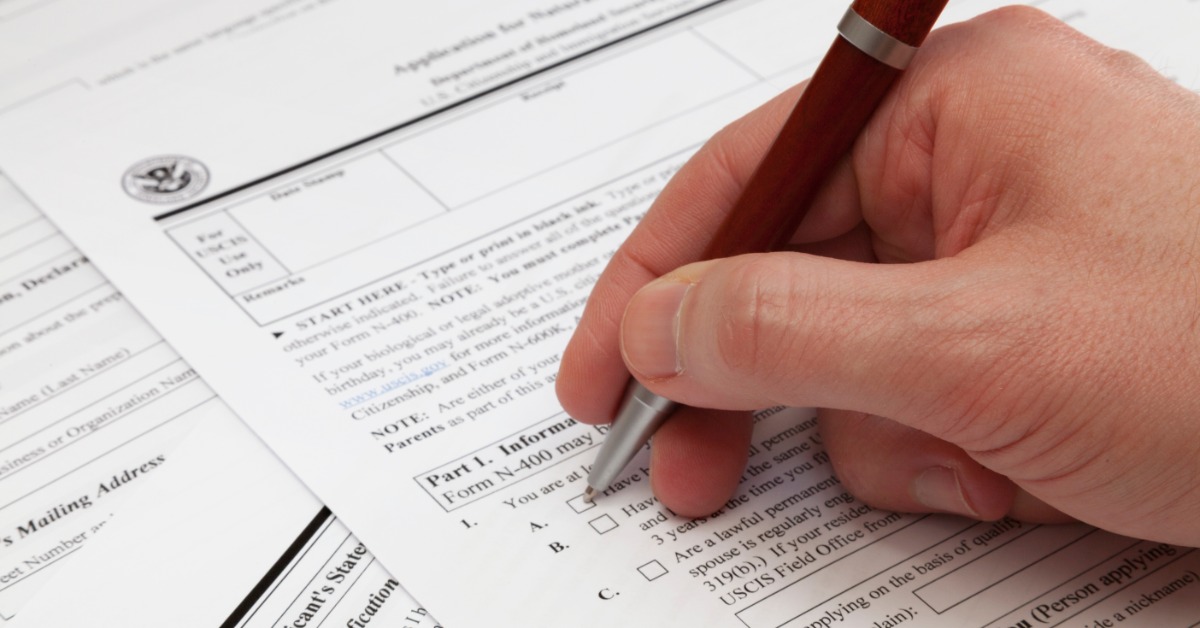
Honesty matters most during the immigration process, as you must answer Form N-400 questions accurately and provide truthful testimony at your naturalization interview.
Giving false testimony under oath to obtain an immigration benefit can trigger a statutory good-moral-character bar. Similarly, concealing an arrest, even if the charges were dismissed, can cause problems, even when the underlying event would not have prevented naturalization.
The safer approach is always full and accurate disclosure. You can explain unfavorable facts, but USCIS cannot fairly evaluate facts you intentionally hide.
Conduct That Can Undermine a Good Moral Character Finding
Even strong positive evidence does not erase all misconduct. Federal law sets out several situations where an applicant cannot establish good moral character during the applicable period, and some conduct creates a permanent bar.
Issues that deserve careful review include:
- Certain criminal convictions
- False testimony for an immigration benefit
- Controlled-substance violations
- Unlawful voting or voter registration
- Failure to support dependents
- Failure to satisfy required tax obligations
- Repeated impaired-driving offenses
- Other unlawful conduct that reflects adversely on character
The legal effect depends on the exact conduct. An arrest does not carry the same legal significance as every conviction, and a dismissed charge does not automatically disappear from USCIS’s review.
Build a Record That Shows More Than the Absence of Problems
Treat good moral character as an evidentiary requirement, and do not assume USCIS will infer it automatically. When preparing your immigration case, review these six examples of good moral character for U.S. immigration to identify evidence worth highlighting before filing.
If you have a criminal history, unpaid obligations, past immigration issues, or other concerning conduct, seek a legal review before assuming enough time has passed.
If you are looking for a permanent residence attorney, Gahagan Law Firm can help you understand how your history may affect an immigration application before you move forward. Our firm can review your case and explain how current immigration law may apply to the facts. If you are concerned that something in your past could affect your path to permanent residence, contact Gahagan Law Firm today to discuss your options with experienced legal guidance.